

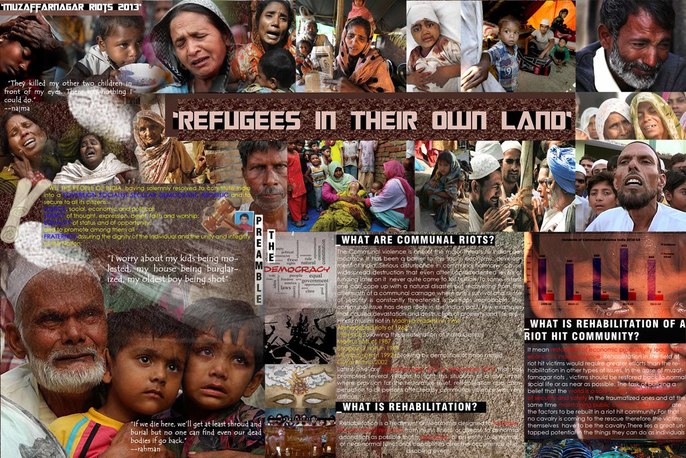
The preamble of Indian Constitution safeguards our right to individuality, safety and expression. It ensures us equality, liberty and justice, and promotes among us fraternity.
However, the survivors of Muzaffarnagar (UP) riots are stranded between the apathy and ostracism of the society and they speak a very different story. There is suffering, longing and depravity where hope for a better future is non-existent. Silent suffering is making the situation worse. People over there are forced to live the life of anonymity in the absence of any media coverage and efforts of outreach.
The common public needs to be informed and sensitized about the fact of their existence and their calls for help. A grave humanitarian crisis has unfolded in Palda(refugee village in Muzaffarnagar). As an architect, I want to stress on seeking architectural solutions to humanitarian crises and bringing professional design services to communities in need. We cannot all be present there physically but we can make a difference. We can and will change lives. Take their pleas and convert it into a public movement of kindness and sharing.
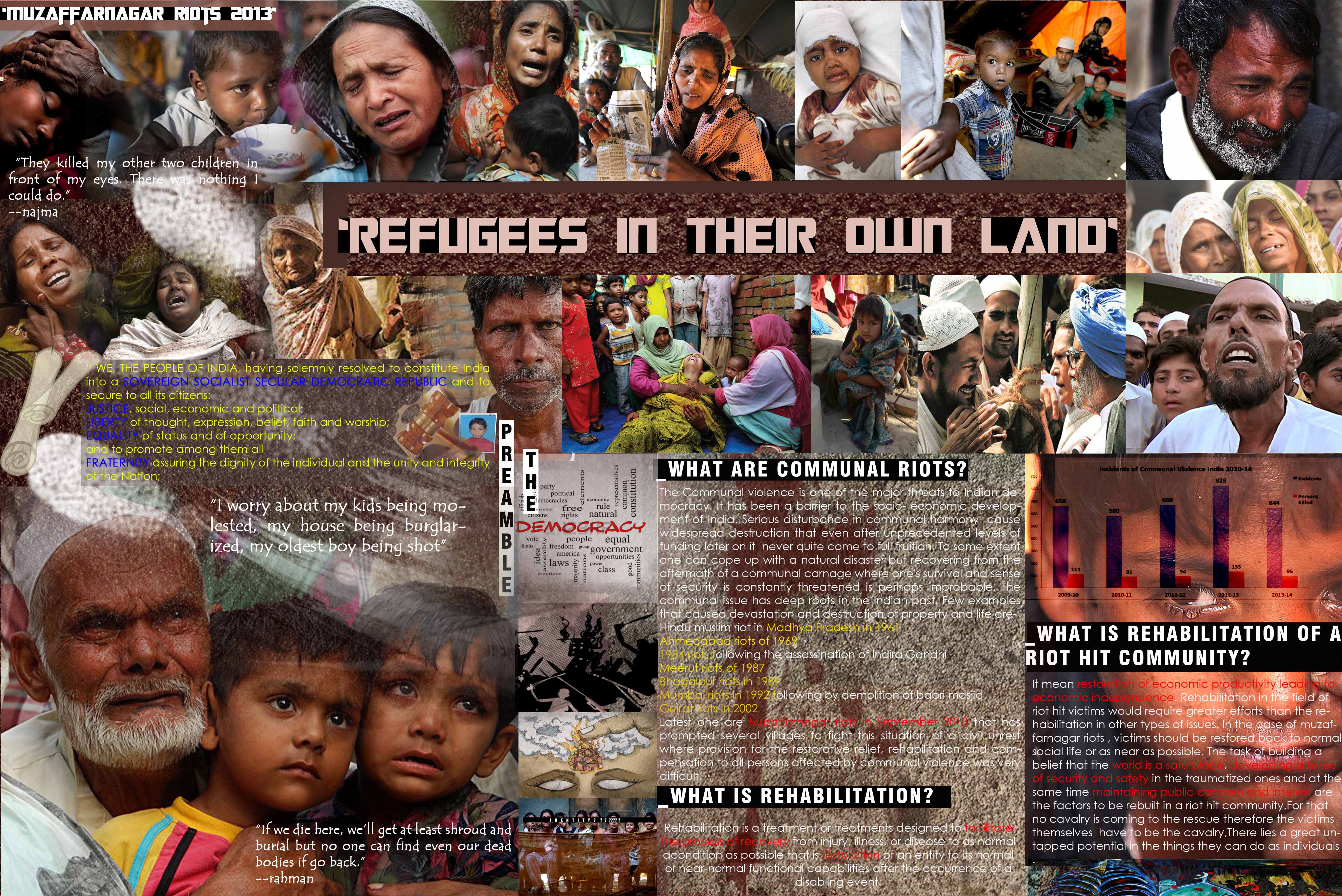
All living beings on mother earth are entitled to live a secure life amid familiar surroundings. But the people of Muzaffarnagar were left with nothing of this when misfortune struck. Children of misery, never in their worst nightmare could have ever thought that this would be the last day they had a meal with their family, the last day they slept in the safety of their parent’s embrace, the last day they called a house home. Had they known, they would have only wished tomorrow never to come.
Their needs could be endless but they could be helped with basic necessities to begin with. As Maslow (1943) stated ‘people are motivated to achieve certain needs. One must satisfy lower level basic needs before progressing on to meet higher level growth needs. Once these needs have been reasonably satisfied, one may be able to reach the highest level called self-actualization’.[1] Unfortunately, progress is often disrupted by failure to meet lower level needs. Muzaffarnagar riots in September 2013 has prompted several villages to fight the situation of a civil unrest where provision for restorative relief, rehabilitation and compensation to all persons affected by communal violence was very difficult due to the disconnect it faces with the state administration. It is absolutely clear that even the best efforts of the army cannot prevent killings once rural areas get affected by the communal virus. It resulted in at least 62 deaths- 42 Muslims and 20 Hindus- injured 93 and left more than 50,000 displaced. The government has passed various bills to punish the culprits of any communal carnage but unfortunately it has failed miserably to protect victims from the aftermath of riots because it is yet to frame the rules needed to channelize the rehabilitation process. These rehabilitation policy loopholes can be fixed to an extent with various architectural interventions and suggestive strategies can help towards bridging the gap between policy and practice of state administration.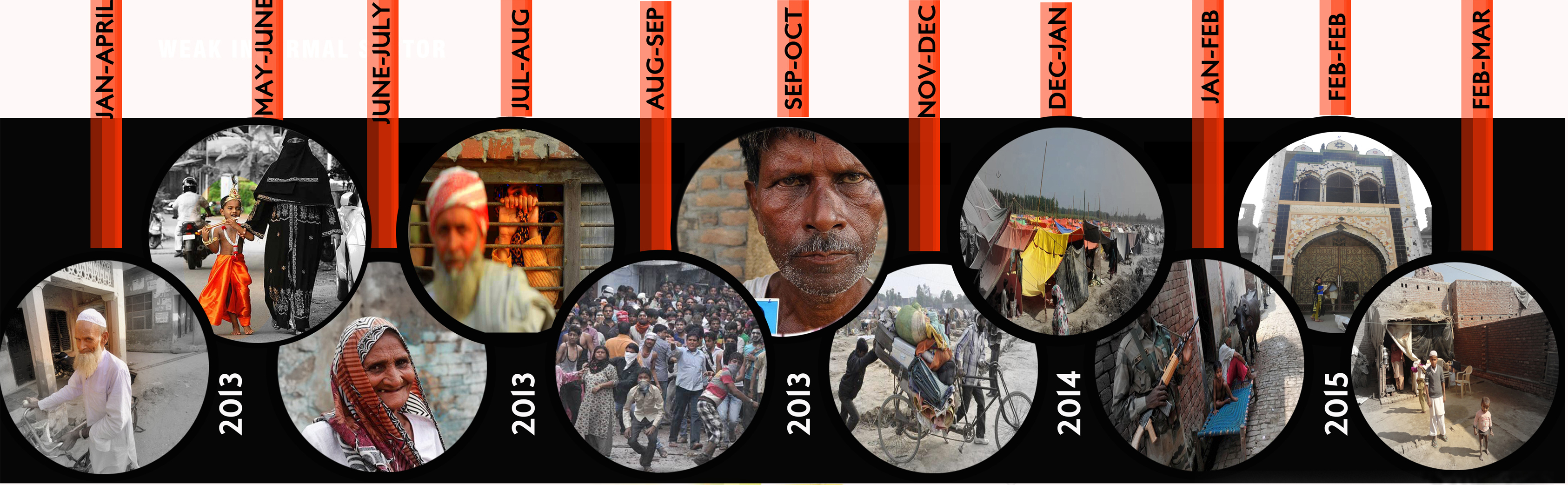
I believe that through architecture we can attempt to amend the relationship of the riot-hit community with the rest of the world by remedying their situation through various social interventions, providing infrastructure to generate self-employment and fulfilling requirements of recreation, education and healthcare. The vision is to empower the riot-hit community as the people are most vulnerable, and later to structure the revival of their settlement that will fulfill their needs, help them reach their full potential (identifying unrealised capabilities) and let them live with dignity and free of stigma. What is needed is to provide opportunities to create a healthy neighborhood and eventually weave a fabric of community through multiple levels of participation, thus creating avenues to mainstream social inclusion.
Through applying principles of urban planning we can enhance the image of the community, showing that the families are empowered, educated ,employed and strong advocates of their rights-(Kevin Lynch)[2]. The current situation is fraught with possibilities, dilemmas, varying opinions, impossible altruistic goals, negligible economic leeway and vast social connotations. Therefore a scheme has to be created that resonates with the people of refugee colony, allowing them to grow as dignified employed individuals, providing them with a habitat where they can live and work. We need to design an interface through which they can interact with the world at large. The architecture therefore has to grow out of the needs and aspirations of people of this village and yet it has to be economically viable and replicable on a rural scale. This will create a better standard of life without infringing on the just income to be made by the refugees.
A pilot programme needs to be formulated for this road to recovery. Various steps can create a ripple effect in the riot-stuck ghetto such as providing architectural solutions so that the needs of these internally displaced persons are met in terms of safety, community belonging, esteem and self-actualization. Further we have to provision rehabilitation housing for the victims that will add a specific value to people’s assets allowing for leverage of wealth as credit collateral, nursing homes, dispensary, secondary level education as students are not issued transfer certificates from their old school and they are not given admission in any of the government school, public spaces for local interaction that will result in social equity thus bridging the dichotomy and creating empowerment for social outcast to fight the mold of social stigma. Also, creating ownership among the community, long-term focus and developing relationships by generating income through home-based enterprises are important. This will surely have a multiplier effect on the society. For instance coming with a local community intervale farm, local setup of cottage industries, skill development center and vocational training centre will give the victims their social identity back and provide them opportunities for self-employment and wage employment, financial assistance and social employment. This can be done by gauging the community’s partnership potential. Through this we will be able to create patches of remembrance by reconstructing from memory and preserving the cultural identity.
The idea to inject new people into the colony allowing it to shed its image and work towards a cohesive neighborhood as community life is the key component of post trauma recovery and it can provide psychological healing to these emotionally, psychologically and monetarily damaged people who are living in a ghetto. A conscious effort has to be made to evolve social networking to ease their exposure ensuring that it is linked and interacts with the major nearby towns and suburbs. All this will build a belief that the world is a safe place, develop a sense of security and safety in the traumatized ones.
Also the street design of such areas has a major influence in transforming a ghetto into a good neighbourhood. Identify the street activities and provide scope to retain them in the new design. As rightly said by Jane Jacobs ‘there must be eyes upon the street, eyes belonging to those we might call the natural proprietors of the street’[3]. We need to keep the very idea of street watching alive and realize that people do like basics – and as environments go, a street that is open to the sky and filled with people and life is a splendid place to be.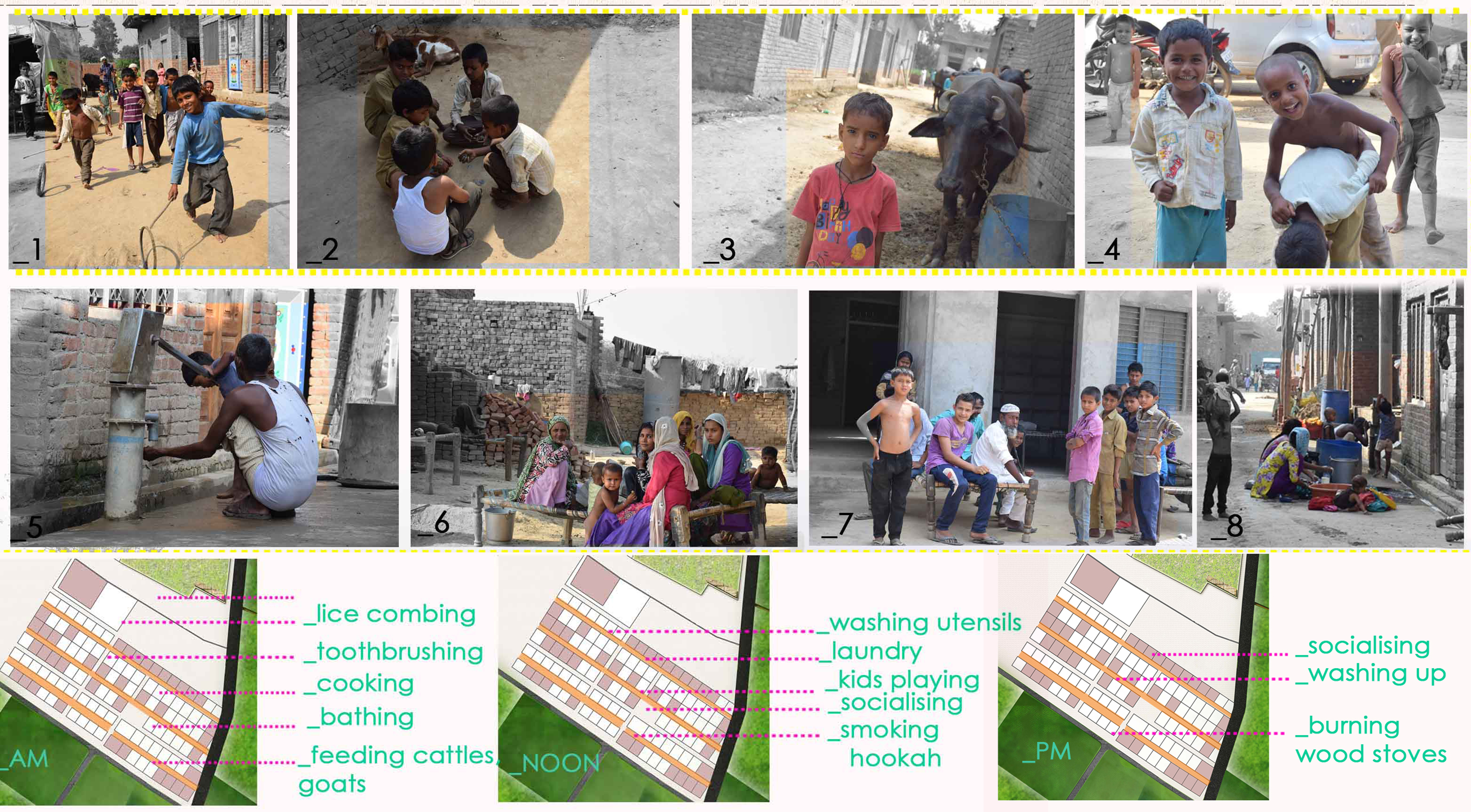
The neighborhood has to be designed in a way that it keeps the essence of a village alive. Small private intimate spaces between the dwelling units will build a community spirit as these victims are ambiverts. Their new enclosure should depict all living a happy and natural life. I see happy faces greeting each other every day and a society working towards a cohesive neighborhood.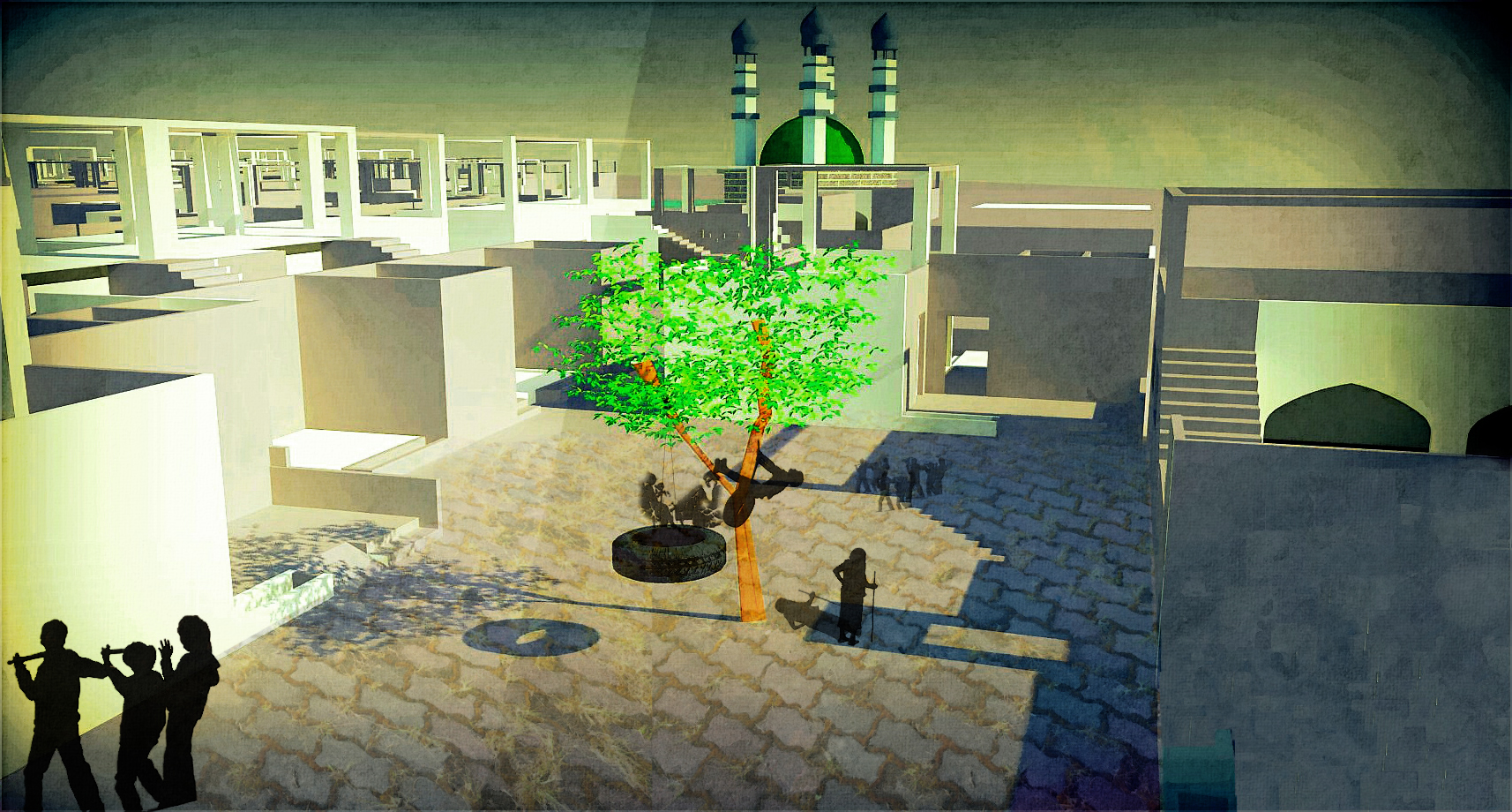
[1] http://www.simplypsychology.org/maslow.html
[2]Kevin Lynch – The Image of the City | The Mobile City
[3]The Urban Wisdom of Jane Jacobs – Page 198
References:
1.http://www.simplypsychology.org/maslow.html
-MASLOW’S HIERARCHY OF NEEDS
BOOKS:
1.Kevin Lynch – The Image of the City
2.Jane Jacobs –The Urban Wisdom of Jane Jacobs – Page 198
Source of graphics used:Author