


Should Sex Education be a part of School Curriculum? In this debate we have presented views from both the sides – those who support it and those who oppose it. Manohar Elevarthi argues on the necessity of sex education in schools and Neha Gargi presents the problem which cannot be ignored when sex education becomes a part of Indian school curriculum.
————————————————————————————————————-
Sex Education: a must for all children and youth
Manohar Elavarthi
In 2009 a Rajya Sabha committee headed by Mr. M. Venkaiah Naidu (BJP, union minister at present) recommended that there should be no sex education in schools. This committee comprised of Rajya Sabha members from BJP, Congress, CPI (M), RJD, LJP and AIADMK. The committee held that the sex education “promotes promiscuity” and has “the potential to pollute the young and impressionable minds of students by exposing them to indecent material” and causes “incalculable damage to our school children who are the future citizens of this country”. The committee also stated that “our country’s social and culture ethos are such that sex education has absolutely no place in it. Basic human instincts like food, fear, greed, coitus etc. need not be taught, rather control of these instincts should be the subject of education. But present academic system incites stimulation of instincts, which is detrimental to the society. To focus Indian education on ‘instinct control’ should the important objective and for that the dignity of restraint has to be well entrenched in education.”
These are but two examples of many widespread myths about sexuality education (generally referred to as sex education).
 What is Sexuality Education: Sexuality education is teaching about issues of human sexuality – body anatomy, reproduction, hygiene, sexual development, sexual activity, reproductive and sexual health, sexual desire, affection, intimacy, sexual orientation, interpersonal relationships, emotions, body image, gender, gender identity, consent, coercion, violence, responsibility, values and rights. All of us need age-appropriate sexuality education.
Children and Sexuality Education: As children we start to learn about sexuality from a very young age from our parents and caregivers and later from teachers and general society (including media). We need to learn to respect, protect and take care of our bodies. Learning about ‘good touch’ and ‘bad touch’ and knowing which trusted person to inform about ‘bad touch’ or what to do when ‘bad touch’ happens can prevent/ drastically reduce sexual abuse of children.
A study on child abuse by Union Ministry of Women and Child Development in 2007 found that 53% of children (girls and boys) faced some form of sexual abuse and majority of the abusers are people known to the child.
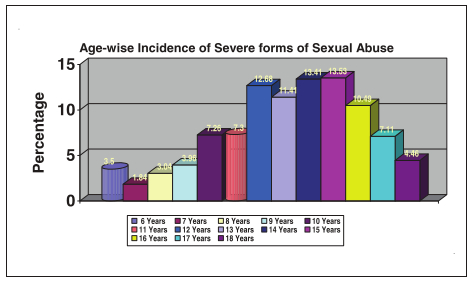 Some of them had faced severe forms of sexual abuse as early as age 6. Majority of the children did not report these incidences to anyone.
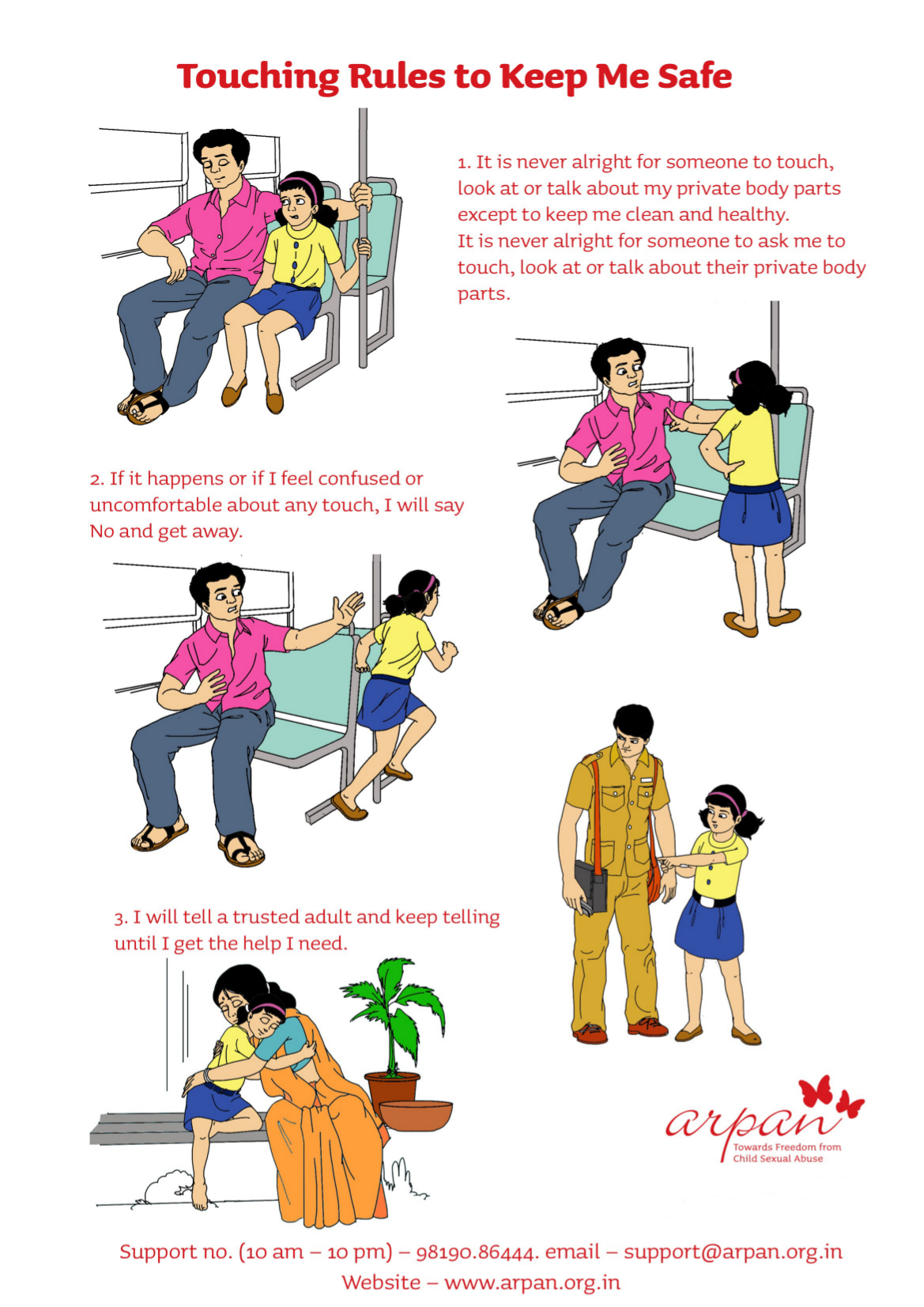 Teaching children about how to avoid/protect themselves from sexual abuse is therefore an urgent need. Many child rights NGOs in India are teaching children in school and non-school setting about this issue. They include: Arpan, Mumbai; Child Rights in Goa; Enfold Proactive Health Trust, Bangalore; APSA, Bangalore
Sexuality Education prepares children to protect themselves from bullying and sexual abuse. Learning to love and accept our bodies, our right to avoid/resist unwanted touch and the right to protect ourselves is the key to personal safety. It becomes even more important for children who face additional vulnerabilities such as – being a girl or a transgender child, having disabilities or belonging to a Dalit/backward caste or being from a religious minority family.
Young people and Sexuality Education: During adolescence the human body undergoes numerous hormonal changes. Rapid physical, psychological and social changes happen in this period of transitioning from childhood to adulthood. Sexuality Education helps them in understanding menstruation, their sexuality, sexual desires, sexual orientation; provides information and skills to take care of their sexual health and to make responsible decisions about their relationships to become healthy sexual beings. Provision of accurate information about sexuality through sexuality education programs in educational institutions or outside is essential, otherwise they may pick up incorrect and even damaging information through pornographic materials which are easily accessible as booklets or through mobile phones/internet.
This is also the age when the adolescents often face many body image issues as they go through rapid physical changes – a good sexuality education program will help in developing a positive body image. Homosexual/ bisexual/ transgender adolescents need affirmation and proper information about their sexual orientation/ gender identity. Suicide rates are alarmingly high among homosexual/ bisexual/ transgender adolescents, as they are made to feel isolated and confused in most settings. Sexuality Education helps in preventing the spread of HIV and other sexually transmitted infections, as well as reduces unwanted pregnancies and unsafe abortions. Good sexuality education is also about unpacking our gender roles in our patriarchal society and to resist gender discrimination faced by women. It helps young women not to feel inferior to men and to assert their agency and equality vis-a-vis men in friendships and intimate relationships. Sexuality Education helps adolescents to protect themselves from sexual abuse in their adolescence and later as well. Sexuality Education is definitely useful to some extent to confront the epidemic of sexual abuse on women in India.
Why Sexuality Education in School Curriculum: Many parents and care providers do not feel comfortable discussing sexuality related issues with children; and they may not have adequate and accurate information on these issues. Schools and Colleges are the best places where sexuality education can be imparted to children and young people. Having it in school curriculum also makes it easy to provide accurate, up-to-date, standard information to children and young people. Trained educators may be better equipped to deal with sensitive issues like sexuality.
Does Sexuality Education encourage people to get into sexual activity earlier, promotes promiscuity? No. Recently Mr. Douglas Kirby looked at 97 studies on the impact of sexuality education on sexual behavior of young people for his expert paper.
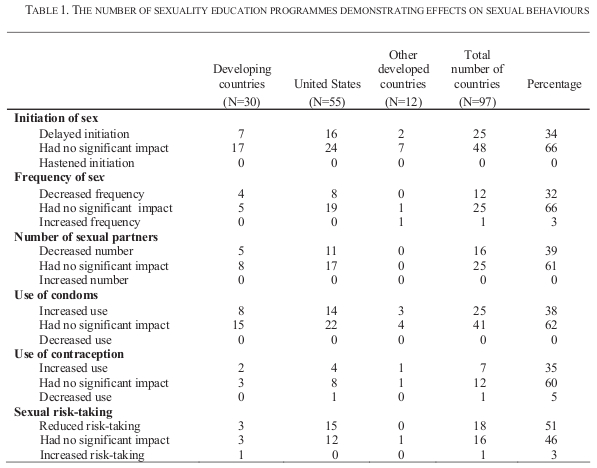
He shows clearly that sexuality education programs implemented in schools or communities can
– delay the onset of sexual activity among adolescents and young people
– reduce the frequency of intercourse
– reduce the frequency of unprotected sex
– reduce the number of sexual partners
– increase condom use and contraceptive use
– increased knowledge about human sexuality
According to him sexuality education does not increase sexual activity among adolescents and young people.
Why is Sexuality Education important in India: Myths and misconceptions about sexuality issues are abound in India. We do not have adequate public discourse on sexuality. Most young women have very little knowledge about menstruation, irregular periods, reproductive tract infections and menstrual hygiene. People often have unnecessary anxieties around the size/ shape of their breasts, penis etc. Myths around masturbation – that it is unnatural, harmful or bad haunt many adolescent girls and boys. Many men have to deal with premature ejaculation, feel ashamed and do not seek help of health professionals, leading to unhappy sexual lives. Similarly people suffer silently due to sexually transmitted infections and feel ashamed or fearful of seeking medical treatment. These situations can only be remedied by imparting accurate information about sexuality issues and by addressing sexuality issues in a positive manner.
Using arguments of culture against sexuality education is nothing but denial of live saving information to children and young people and denial of their rights. Positive self-image and affirmative sexuality are essential for a healthy society. Every one of us has a right to health, which includes sexual well-being and a self-affirming and enjoyable sexuality.
For more information on sexuality education visit: TARSHI, IPPF, UNFPA, SIECUS
Manohar Elavarthi, Vice-President in Praja Rajakiya Vedike, is a political activist based in Bangalore. He worked extensively on the issues of transgenders, sexual minorities, people living with HIV and human rights. He can be contacted at [email protected].
————————————————————————————————————–
The Other Side of the Sex Education
Neha Gargi
Today the young India is growing in an environment, which is constantly being bombarded with sexual messages. Television, music, billboards, print media, Internet, movies – the messages are prevalent everywhere, sometimes wrapped up in a nice package while at other times with their fangs bared to the receiver. Sexual abuse in children, teenage pregnancies, rape of minors, domestic violence, casual sex, HIV and many more social evils are on a rise today. And in such an unhealthy environment for the youths of today, the recent comment made by the Health Minister of India, Dr. Harshvardhan on sex education in schools is bound to cause a furore among the thinkers. Most intellectuals view “sex education as part of the school curriculum” as a beneficial tool to curb the rising statistics of sexually transmitted diseases (STDs), AIDS/HIV, teenage pregnancies and child sexual abuse. But, like every stick that can be used to either help a blind man cross the street or hit an innocent man, “sex education” too can get ugly. It’s a double-edged sword that needs to be used carefully or the results may get even more disastrous.
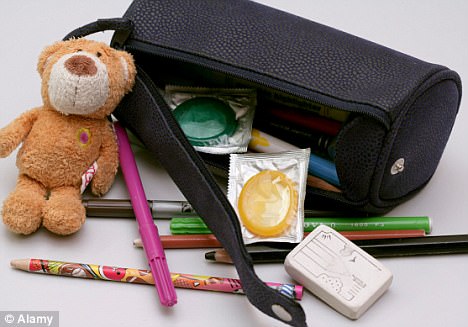 The argument on introducing sex education in Indian schools is nothing new. The developed countries all over the world like UK and US have already made “sex education” a part of the school curriculum. But, India is still pondering over its inclusion. Why? The answer lies in the rich culture and the family values that Indians are imbibed with. The Indian values of not indulging in sex before marriage and extra-marital sex are slowly being clouded by the western ideas of engaging in premarital sex, casual sex and practicing sex with multiple partners. Most young men and women of our society consider these western values to be more liberating while a majority of the older generation have no plans to give up on our rich culture. The debate over the cultural aspect of “sex education” would probably continue for another decade. However, there are some negative aspects lurking in the darkness underneath the lamp. It’s important that we examine them too.
When Educator Turns Predator
 A lot of reports of sexual abuse come from people who are engaged in the education field like the principals of school, teachers and management staffs of schools. Under such circumstances, it appears to be very unsafe to let our children learn about sex from them. Of course not all teachers are like this but when incidences like these are on a rise, it might even give such people free access to manipulate with the young minds and their bodies.
Builds Up Curiosity about Sex
Learning about sex before they are mature enough to handle relationships, shoulder responsibilities and think logically might even ignite their curiosity leading to even more immoral behaviour. Their minds might be ignited enough to watch even more pornographic clips on the Internet or read more erotic books or even have a first hand experience of it all.
Paranoid or Scared of Sex
Despite being of the same age no children are like. Some are more mature while some are still childish far away from the realities of the world. Children are like molten metal that is shaped according to what is taught to them today or what they experience. The talk of sexually transmitted diseases, AIDS and their pictures might even make them paranoid or scared of sex. Children might think that there is too much at stake so it’s better to abstain from it. So, ultimately it might lead them to live an abnormal life.
Religious and Moral Issues
Most religious scriptures are against the practice of premarital sex and consider the topic of sex to be discussed behind closed doors. Many families are also not comfortable with their child studying about “how to have sexual intercourse” or “how to use a condom” in schools. It would hurt the sentiments of such families and may even cause a conflict with the faith practiced by the family.
Rise in Indecent Behaviour
 The details on sexual intercourse, human anatomy of reproductive systems in both the sexes and practicing safe sex may even turn in to class jokes and ways to harass young girls for some boys. They might even become more insensitive to the feelings of love, trust and respect.
Too Much Knowledge Could be Dangerous
The young minds armed with too much of knowledge about safe sex may consider engaging in casual sex too often. Instead of focusing on their career and responsibilities they may give much time to fun and frolic in safe sex. The incidences of premarital sex may gradually rise, which is unacceptable to the Indian society. And since none of the contraception methods are 100% full proof, we might not see much positive impact on the rise of teenage pregnancies in spite of the sex education in schools.
All being said, it is important for the subject to stress more on developing a healthy relationship with their sexual partner. Children should be encouraged to establish love, respect and trust in a relationship before giving in to their carnal desires. When there is mutual love, respect and trust between both, it is highly unlikely that they would try to hurt each other in any way or be irresponsible in their behavior.
Neha Gargi has done her Post Graduation in Journalism with specialization in print and new media communications.



Dear Manohar Elavarthi & Neha Gargi,
Apart from your well educated article, please encourage and make the provision for early marriages. We have a bad experience for late marriages in our Society. We can minimize our society crimes and diseases with early marriages and we can leave very health and peaceful life.
This is not the significant change to adopt the SEX culture of Europe by forcefully or independently.
We are the best Human being in all the living things on the earth. Especially our Country India has well diverted Marriage system in order to leads a strong families and have responsible children to replace our seniors. If we condemn the Marriage system and support to open sex (which came from Europe) live without the Marriages only give the priority to enjoy the sex without responsibility of children.
Refer to the survey reports in Europe and following countries where the living relationship took the place of marriage. The result shows, no future of the children (No one Male or Female ready to take the responsibility of their children), more crimes and leads new Diseases. Could we imagine a Country where only death rates are registered without the birthrates?
Therefore, our INDIAN society should understand and accept the living Relationship (sex out of Marriage) also consider as a RAPE.
How we (Men and Women) differ from the animals if we live without marriages?
A middle path that exists should be the edge of the Wedge.
Hey, this article is much similar to this. You might be interested check out this Single Sex Education.
With the increased usage of the internet, this means that more information is out there even adult content making it safe to teach children sex education than let media teach them