

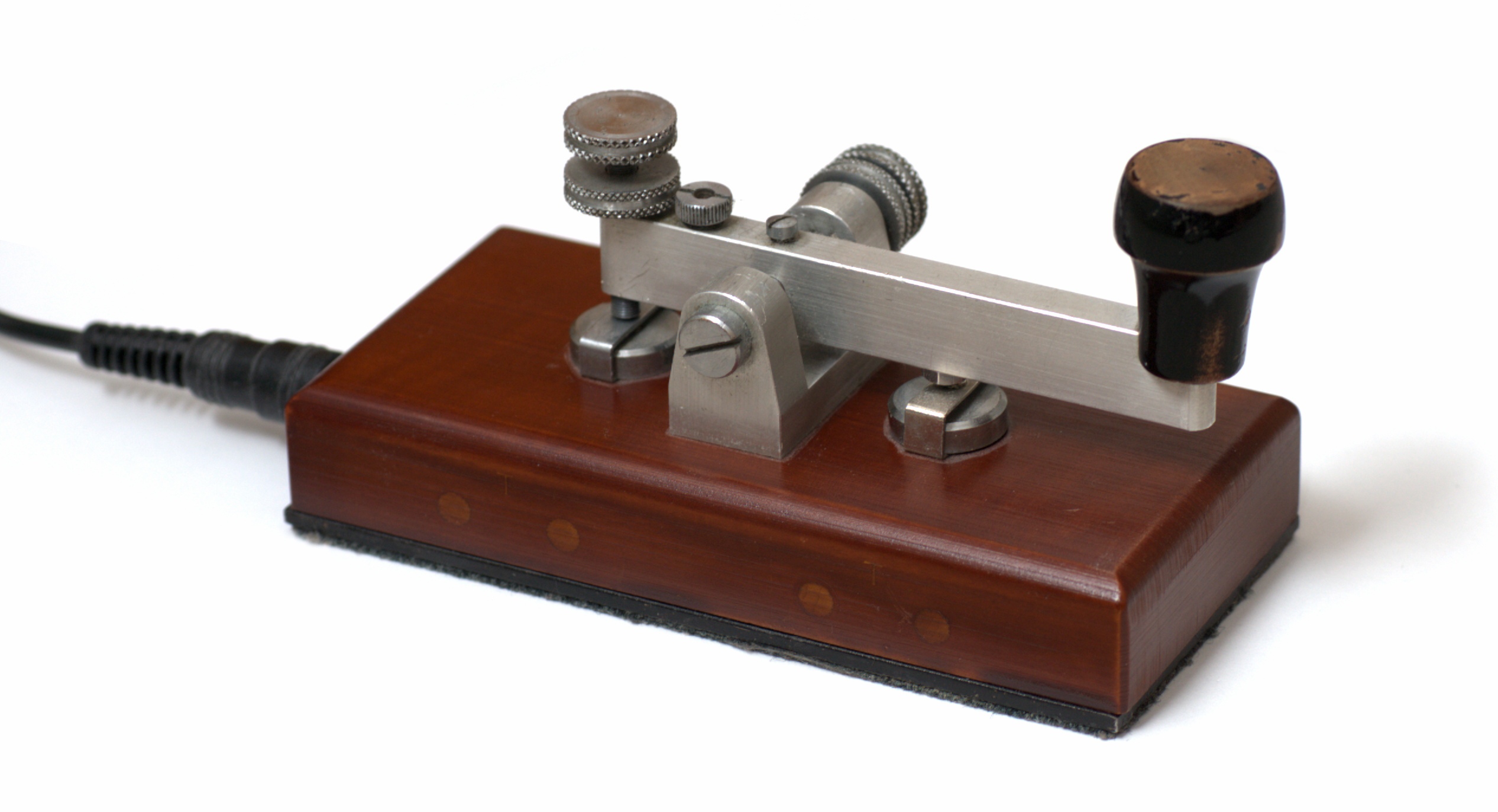
July 15, 2013 marks the end of an era in India, when telegrams will be shut down forever, after a wonderful 163 years of its service. Taar the Indian connotation for telegram has been an integral part of our communication culture since mid-19th century bringing urgent news quickly, be it good or bad. Just six years after Samuel Morse sent the first telegraphic message in the US, telegraph invaded the Indian borders and created its spell all over the nation. Within six years its wires connected all the major Indian cities, information started traveling faster than ever. Until 1990s thousands of people used to line up in telegraph offices to send urgent messages to their near and dear ones which now have fallen to almost nil. With the advent of new technologies like fax machines and internet, demand for telegrams started decreasing gradually. Now with mobile phone and internet in everyone’s hand, it no more continues to be the common man’s essential utility.
If we understand telegraph and its dynamics with the society it can give us deeper insights on the challenges, opportunities and pitfalls of the Internet.
Tom Standage in his book The Victorian Internet looks at telegraphy being more significant than internet as it marks a qualitative shift in the ability to communicate globally. Telegraph brought a sudden shift by giving swift pace to the communication of information. It has created new networks, revolutionized business practices, gave rise to new forms of crimes, and has literally inundated its users with a deluge of information.
There are many social and economic parallels which can be drawn between today’s internet and 19th century telegraph. Internet today is often called the information superhighway whereas its 19th century counterpart telegraph was called the “highway of thought”. Modern computers exchange bits and bytes whereas telegraphic messages exchanged dots and dashes of Morse codes. Telegraph tells us tales analogous to what is happening today in the internet age – same kind of optimism and skepticism which happens with the arrival of every new technology and the transition it brings. Ways to connect, control, transact, make money, commit crimes and initiate romance all were possible through telegraph. If we understand telegraph and its dynamics with the society it can give us deeper insights on the challenges, opportunities and pitfalls of the Internet.
Postman in his book Technopoly says that telegraph removed space as an inevitable constraint in the movement of information thus disengaging information and transportation from each other. But the biggest change it brought was the idea of context free information i.e. “the idea that the value of information need not be tied to any function it might serve in social and political decision making and action. Thus telegraph made information into commodity that can be bought and sold irrespective of its use or meaning”. But all this was possible only due to its partnership with penny press, the first institution to realize annihilation of space and the saleability of irrelevant information.
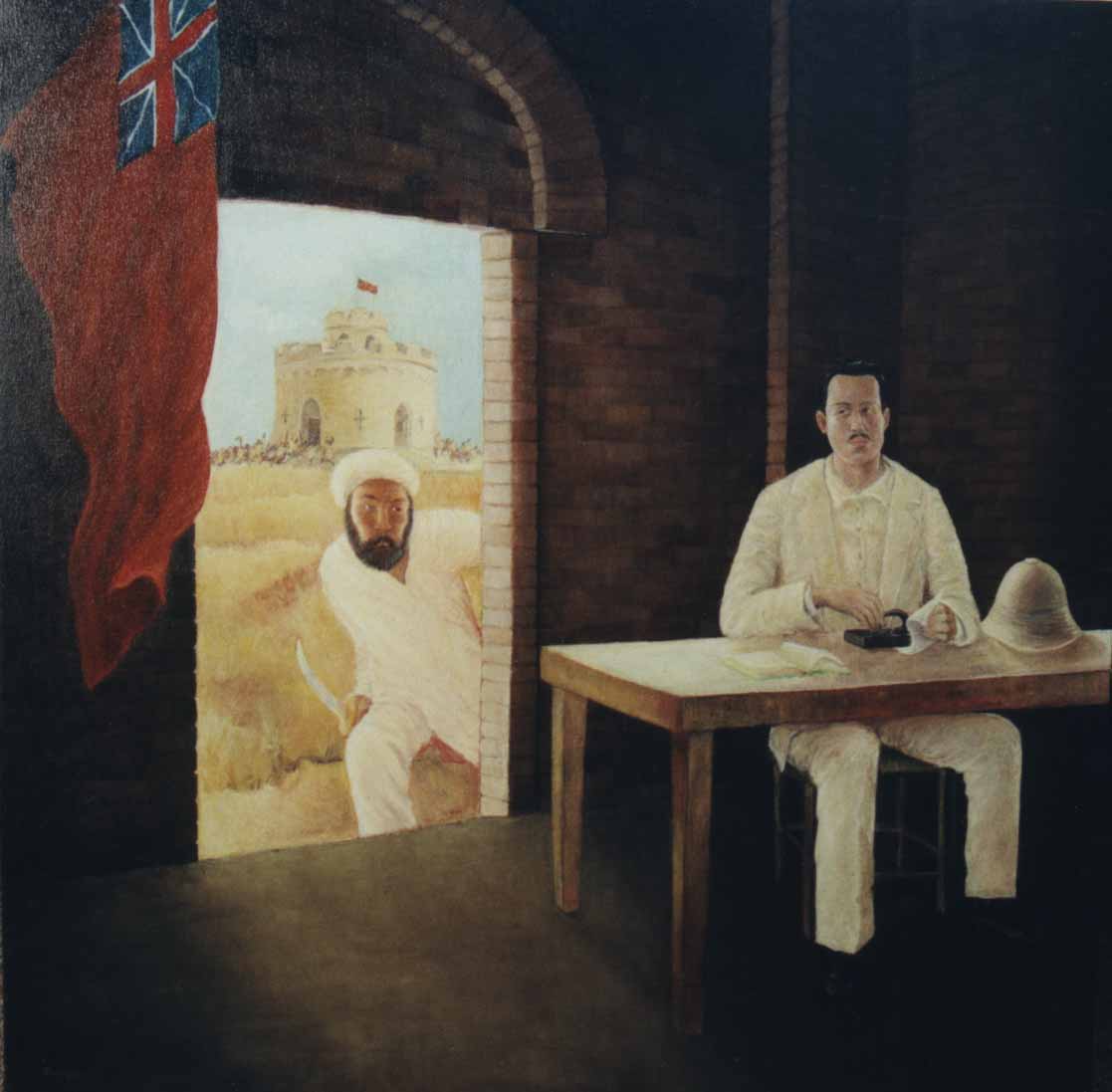
Source: http://home.alphalink.com.au/~agilbert/paintin1.html
This association between penny press and telegraph shows that technology never acts in isolation but in relationship with the society and environment. Technology alone doesn’t drive social, economic and political change. Technology may also not be neutral. Technology may contain its own biases which may depend on many variables like the conditions and culture in which it is born, its inbuilt limitations etc. If we don’t understand these complexities either we fall into the trap of skeptics always blaming technologies for all the harms or we start worshiping them and fantasizing the impossibilities, thus creating more harms.
Deeply enrooted into our culture telegraph tells us many stories of triumphs and failures of our past. Remember the role it played in crushing the revolt of 1857. A bidding farewell won’t be that easy and like Sweden and the UK, where correspondents still use telegrams for nostalgia purposes, we, too, shall miss this speedy means of pre-internet written communication long after it has been buried into the pages of history.


Jazakallah khair for the informative article,