

In a world that never stops selling, fasting is a refusal.
Modern capitalism thrives on constant stimulation. Every notification, advertisement, discount, and algorithm is designed to trigger desire. We are told subtly and repeatedly that happiness lies in acquiring, upgrading, and indulging. Hunger is solved with delivery apps. Boredom is cured with endless scrolling. Loneliness is medicated with curated images of belonging. The system functions smoothly when people move from impulse to gratification without reflection. Desire becomes the engine of the economy, and comfort becomes its reward.
In such a culture, restraint is disruptive.
When Ramadan arrives, millions willingly step into discipline. From dawn to sunset, they refuse food and water- the most basic of human needs. Hunger knocks persistently. Thirst dries the throat. Fatigue sets in. And yet, there is conscious control. This is not forcing deprivation; it is chosen to restrain. And in that choice lies its quiet power.
Fasting interrupts the automatic cycle of want and fulfillment. It inserts a pause between craving and consumption. That pause is transformative. It teaches the individual that desire does not have to dictate action. The body may demand, but the soul can decide. In a society that equates freedom with satisfying every urge, fasting redefines freedom as the ability to govern oneself.
There is something deeply political about that internal shift.
Systems of power function more effectively when people are governed by appetite rather than discipline. A population driven by desire is easier to influence through fear, temptation, comfort, or distraction. When individuals are constantly chasing pleasure or relief, they have little energy left to question injustice or challenge exploitation. But when someone learns to master hunger, one of the strongest human instincts is to cultivate a resilience that extends beyond the dining table.
If you can refuse water when it is within reach, you can refuse corruption when it is convenient. If you can endure temporary discomfort for a higher purpose, you can endure the long struggle required for social transformation.
Fasting, then, becomes a subtle form of civil disobedience not against a government, but against a culture of excess. It rejects the assumption that humans are merely consumers. It challenges the idea that fulfillment lies in constant indulgence. It asserts that strength is found in restraint.
Ramadan becomes more than a ritual observance; it becomes a rehearsal for self-governance. The fast is not only from food and drink. It extends to anger, ego, gossip, greed, arrogance, and harmful habits. The tongue is restrained from harsh words. The eyes are disciplined from harmful sights. The heart is urged to soften. It is a comprehensive detox from addictions, distractions, and sins that accumulate over the year.
In this disciplined environment, character is refined. Patience is tested when tempers flare. Humility is practiced when pride whispers. Generosity increases when one feels hunger firsthand. Gratitude deepens with every sip of water at sunset. The fast slowly reshapes the inner self.
This is where Sabr is cultivated- not passive waiting, but active endurance. Sabr is the ability to remain principled in the face of hardship. It is the psychological stamina that sustains long-term movements for justice. Social change is rarely immediate. It demands consistency when attention fades, courage when opposition rises, and hope when progress feels slow. Ramadan trains individuals in exactly this kind of resilience.
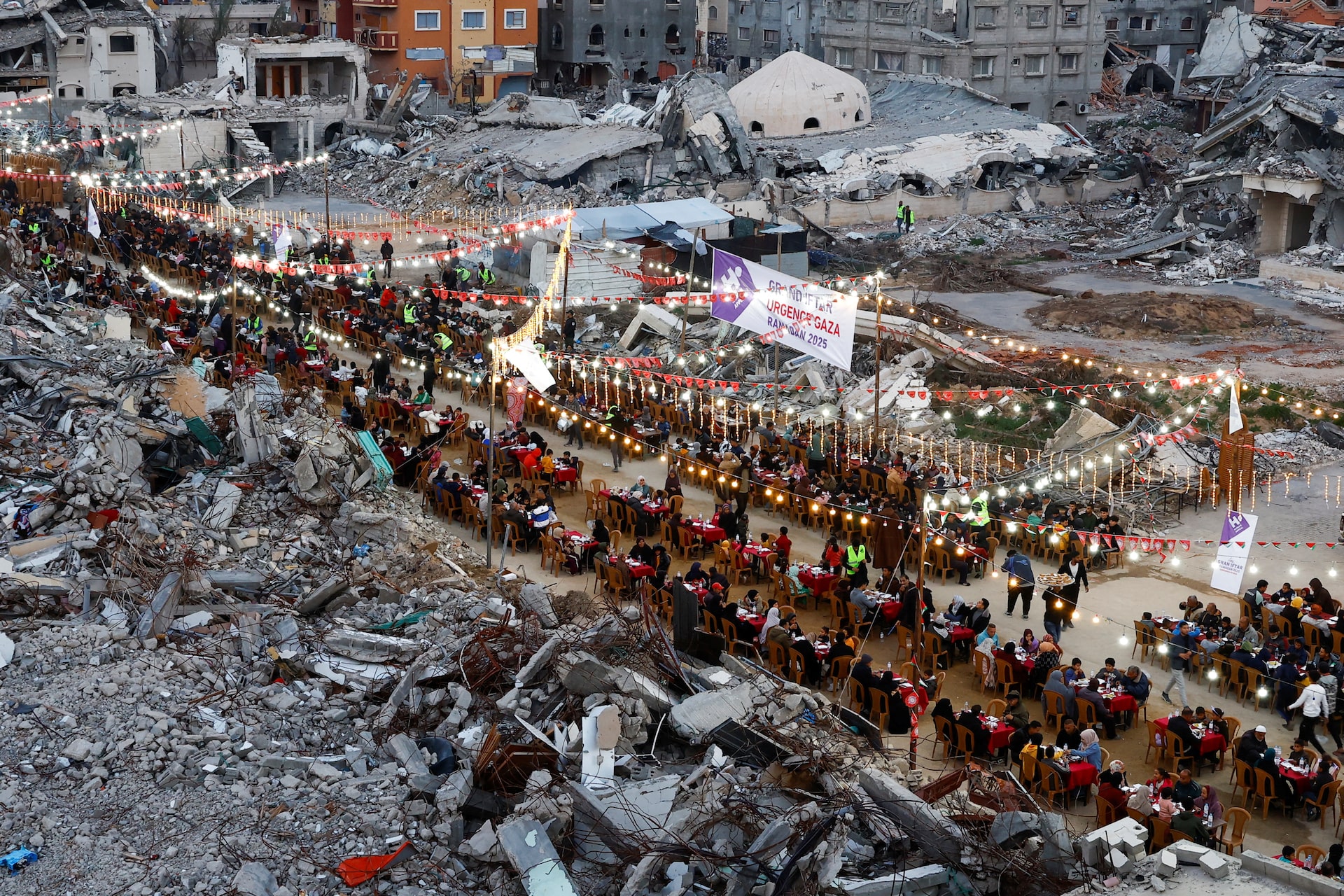
There is also a collective dimension. When millions fast together, deprivation becomes shared. The wealthy and the poor experience the same hunger. Communities gather to break their fast, strengthening bonds. Charity increases, not as charity alone but as moral responsibility. Hunger transforms personal discomfort into social awareness. It becomes harder to ignore inequality when you have tasted even a fraction of it.
Most revolutions are visible. They march, protest, and legislate. But some revolutions begin invisibly within the human heart. They begin when a person realizes they are not enslaved to impulse. They begin when someone chooses discipline over desire. They begin when self-mastery replaces self-indulgence.
By the end of the month, the transformation may not be dramatic, but it is profound. The individual who struggled with hunger now understands their own strength differently. They recognize that they can endure discomfort without collapsing into complaints. They see that control over desire brings clarity. And clarity brings courage.
In a society that profits from addiction and distraction, self-discipline is a rebellion.
Ramadan does not overthrow economic systems or dismantle structures overnight. Its resistance is quieter, slower, and deeper. It reforms the individual. It purifies intention. It builds moral stamina. And individuals with moral stamina are the foundation of any lasting movement for justice.
In choosing to fast, millions momentarily step outside the machinery of constant consumption and declare without slogans, without spectacle, that human beings are more than their appetites. They are capable of restraint. They are capable of being patient. They are capable of governing themselves.
And in that self-governance lies a powerful, enduring form of freedom.