

The religion of Islam is not merely a stiffly “system” of political and legal codifications, but rather it is an inclusive path that integrates all dimensions- be it material, social or spiritual- which are directly or indirectly related to human personality development. It discusses the “system” as well the “spirituality”. The “spiritual paradigm” of Islam is universal, comprehensive, and complete. It imparts the path of “purification” and “evolutionary development”of the soul without disregarding the “genuine” material needs and physical enticements of the body. To achieve this higher objective, Islam, on one hand, predominantly emphasizes a sincere, truthful and earnest relationship between “man and God” through “man’s volunteer and peaceful submission to the will of God” in order to get His endless blessings. On the other hand, to ensure his biological and psychological needs are fulfilled, Islam allows him,with all legal and moral ways and means, to exploit natural resources productively and extend his social relations.
Indeed, Islam encourages man’s “sense of belongingness” towards God – the Almighty – while performing diverse material actions or enjoying spiritual experiences. This constructive and positive message of Islam, actually utmost reflection of God’s mercy and love unto His servants, is open to all and fills hearts with love, hope, and courage. In order to heighten and strengthen man’s relation to God, across the deepest layers of man’s journey from material observations to transcendental experiences, God Himself has blessed man with diverse forms and expressions of love and obedience, collectively called as Ibadah– the embodiment of worship. Among all beautiful expressions of worship, the fasting of Ramadan is unique and tremendously significant as far as the spiritual benefits of Ramadan are concerned.
Here, the question why to feel hunger and thirst in Ramadan is central to understand the deeper meaning of life and the “revolutionary transformation” in man’s relation to God. And, if this question rests unanswered, the fasting would mean nothing except pursuing a cultural or family tradition having no acceptability in the sight of God. Therefore, to cultivate and to harvest the endless blessings of Ramadan, one must know the answer of questions like “what is essence of fasting?” why should one ‘torture’ his/her body in the first place?” and “what do we really gain from the process fasting in the end?”
The actual Arabic word for fasting is “sawm” which literally means ‘to be at rest’. Technically, it means to abstain from food, water and bed (sexual practice between spouses) from dawn to dusk. In the Islamic belief, unlike other religious traditions, fasting is not mere “starvation” or “self-denial” but rather it is a dynamic, transformative and persistent art to exile from periphery to the Center, from shadow to the Reality, and from superficial to the Original. It is a process to reconcile with peace and tranquility and inner stratification. It helps in nourishing the quality of self-analysis, self-restraint, self-purification, compassion, the spirit of caring and sharing, the love of humanity, and, above all, the love of God. It is a “constant and cognizant” struggle to humanize the “ego” and overpower malevolent proclivities through the process of “realization” of the meaning and essence of life (maqsadal-hayat) and true nature of worldly possessions (asal al-ishiya).
Coming to its “social” orientation, the Ramadan reforms the meaning of social belonging; of unity and brotherhood, of justice and rights, and of equality in the sight of God. This “revolutionary transformation” is a natural outcome of the process of abstaining consciously from the habitual material needs of body for the love of God. It cultivates a deeper “spiritual connectivity” and stirs the soul and empowers man’s relationship with God’s family (‘ayal-lul-Allah). A relationship where one is deeply in love with God and aspires and longs for nothing but God. This feeling, consequently, unveils the meaning of “rights towards God” (huquq al-Allah) and “rights towards servants of God” (huquq al-‘ibad) and indoctrinates the character of patience, unselfishness and gratitude.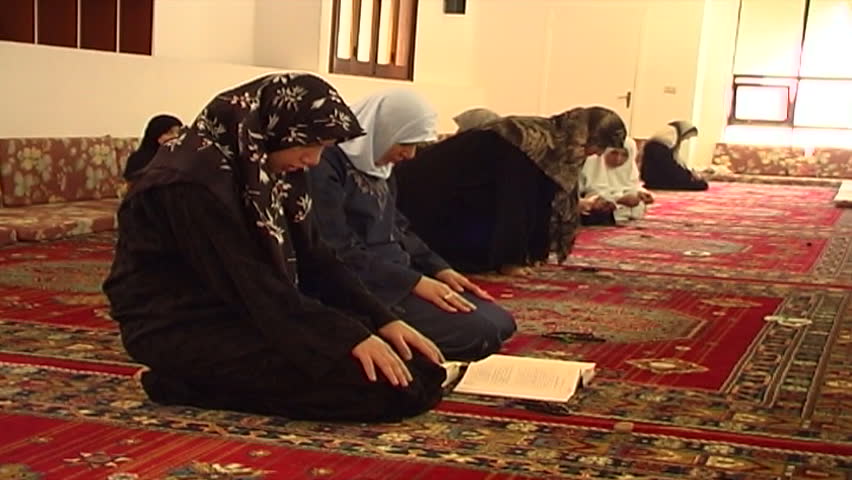
By the virtue of such a “transformative spirit”, the “sayim” (the one who is on fasting) experiences the “Divine love” and, as a result, he/she realizes the fact that every single creation on the earth should be treated with love, dignity and justice. He/she feels the pain of deprivation and hunger and learns how to endure it patiently. The meaning of this powerful “God-centric experience” in a social and humanitarian context is that a “sayim” becomes more active and enthusiastic than any other philanthropist in giving “due rights” to the oppressed and extending support to the needy around him/her. The Prophet of God (PBUH), the highest noble and humanistic model to be followed by the believers, is reported to have said; “It (Ramadan) is the month to visit the poor, the sick, and the needy to share their sorrows. It is the month where the food, sustenance and the earnings of believing Muslims increases (by giving) and they are blessed”. That is why, as soon as the month of Ramadan arrives, the feeling of generosity and benevolence is rejuvenated in the hearts of people. Whether rich or poor, everyone’s heart is filled with generosity and everyone positively engages him/herself in helping the people irrespective of his/her religion, caste, and nationality.
The giving of zakat (obligatory dues) and sadaqah (voluntary dues), spending a portion of wealth out of God’s love, is one of the profound acts enthusiastically performed throughout the days and nights of this blessed month. In every Muslim community, people are found busy in distributing the bounties of the Lord and earning rewards by filling the laps of those who are poor. The giving of zakat and sadaqa is a step towards ‘community development’- a method adopted by the Prophet – to “transform” the society form “taking side” to “giving side”. In short, Ramadan is the month of “transformation”, both at individual and collective level, which rejuvenates man’s relation to God and His creation through the transformative spirit of love.
The Persian poet Hafiz describes the elevated and transformed state of soul in the Love of God as : The subject tonight is Love of God And for tomorrow night as well, As a matter of fact I know of no better topic For us to discuss Until we all are united with the Beloved (God).