

The aristocratic establishment in the world of modern day sports, the elite class of competitions to resolve international complications on the field, an event every athlete dreams to be a part of, the grandest and most sumptuous and extravagant stage for sport events. Tha is Rio Olympics. But who would have ever thought that the Olympic games had a gloomy façade to them?
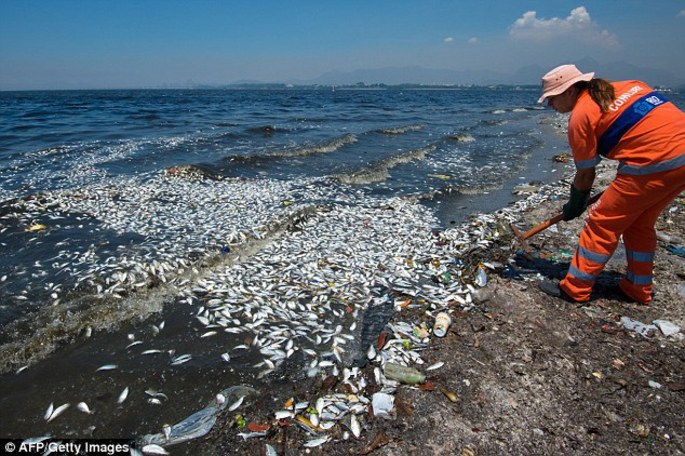
The Rio Olympics 2016 has become a well spring of stumbling blocks for the living habitat. The already bad ecological scenario just keeps worsening. Based on annual air pollution data gathered in the cities of Belo Horizonte, Curitiba, Fortaleza, Porto Alegre, Rio de Janeiro, São Paulo and Vitória, between the years of 1998 and 2005, 5% of total annual deaths in the age groups of children aged five and younger and adults aged 65 and older were attributed to air pollution levels in these cities. Brazil is home to over 6% of the world’s endangered species. Rio’s epic water pollution has been going on for two decades due to a lack of modern sanitation programmes. Despite Olympic organizers’ promise to clean the city’s waterways at their 2009 bid, trash, raw sewage and even body parts have been found at water sport venues. Brazil is suffering from the worst drought in 40 years. The southeastern city of São Paulo has started rationing water and Rio could be next. Making matters worse, Brazil gets about 70% of its energy from hydropower. In Brazil, water crisis equals an energy crisis. The Minister of Mines and Energy, Eduardo Braga, also made a frightening announcement that the turbines on Brazil’s principal hydroelectric plants will stop running if water levels dip below 10% capacity. They’re currently at 17%. At Guanabara Bay—where rowing and sailing will be held—tons of noxious raw sewage gets pumped into the bay each day. Oceanographer David Zee told CBS News that the Brazilian government planned to install eight treatment plants on Rio’s polluted rivers but has built only one. Officials promised to treat 80% of the sewage flowing into the bay but have gotten to only half. USA Today Sports reported that organisers will use a short-term and (purely cosmetic) water treatment method so the waters will glisten blue for television broadcasts. In fact, Rio Olympics will bring none of the environmental improvements that were originally pitched.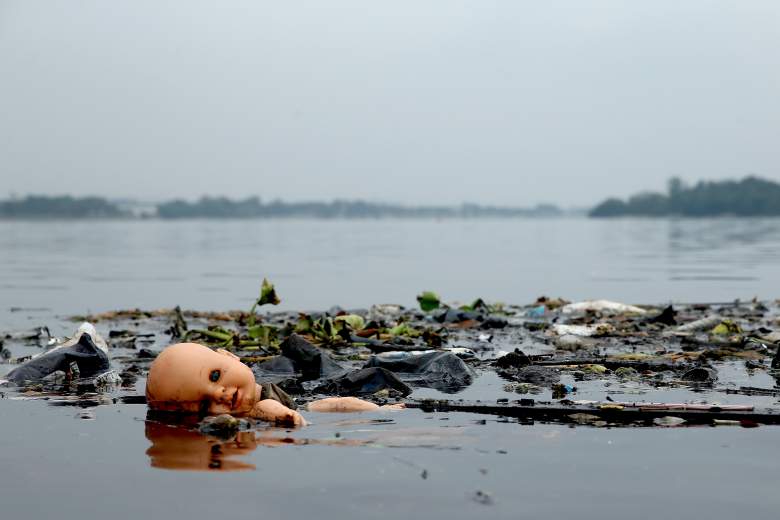
An official from Brazil’s Federal Audit Court, which audits the federal government’s spending, told Reuters, “As for now, we have nothing relevant to report about what was done in the environmental area.” Located at the mouth of Guanabara Bay, Copacabana Beach, where the marathon swimmers and triathlon athletes will compete, generally has better water quality than the bay. But some antibiotic-resistant bacteria have turned up in high levels at Rio’s beaches. A strain of “super-bacteria” called carbapenemase-producing bacteria (CPB) was detected at five beaches, including Copacabana.
Dr. Fernando Spilki, virologist and coordinator of the molecular microbiology laboratory at Feevale University in southern Brazil whom AP commissioned to conduct the water tests, says the survey revealed no appreciable improvement in the interim. There are also fears over the air quality in the city, with Rio accused of lying in its official bid for the Games in 2009 by claiming that its air quality was “within the limits recommended by the World Health Organization”. In June, the Rio de Janeiro state government decreed an official state of emergency as the region spiraled into economic meltdown. At the time an official spokesman warned of a “total collapse of public security, health, education, mobility, and environmental management.” In the times of apocalyptic threats like climate change, pollution and species extinction, was it meritorious to set up this illustrious event in a city traumatised by environmental hazards? Or was it just a delusional exhibit to the world to divert their concentration away from the tribulations in Rio?