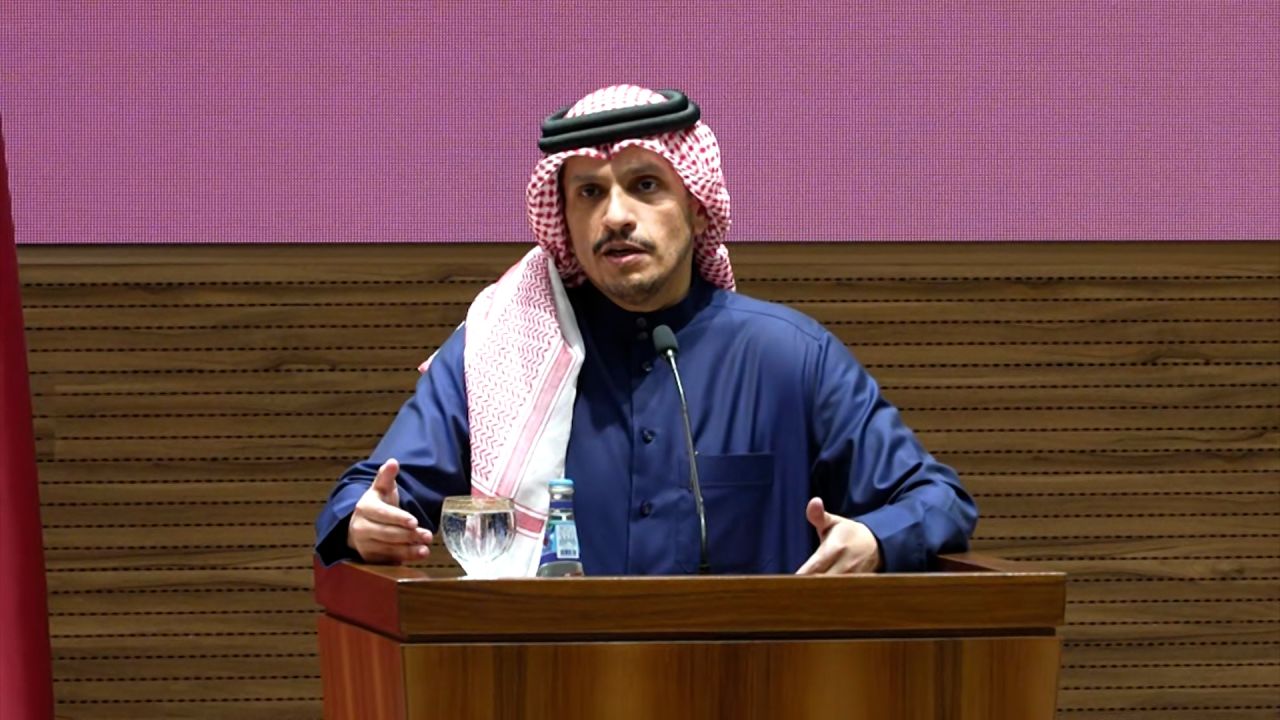
On January 15, 2025, a ceasefire agreement was reached between Israel and Hamas, bringing an end to the 15-month conflict that has wreaked havoc on Gaza and left devastating consequences for the Palestinian population. The ceasefire, brokered by Egypt, Qatar, and other international actors, offers a glimmer of hope for peace in a region that has long been engulfed by violence. However, the agreement cannot undo the immense suffering endured by the Palestinian people. Thousands have lost their lives, while millions more have been left displaced, with their homes, hospitals, schools, and essential infrastructure reduced to rubble. The prolonged blockade of Gaza, coupled with the relentless bombardments, has exacerbated the humanitarian crisis, creating a dire situation that continues to affect communities in the region.
Adding to the complexity, the United States, after repeatedly vetoing ceasefire resolutions at the United Nations throughout the conflict, is now claiming to spearhead the ceasefire deal. This shift has drawn sharp criticism from various quarters, as many view it as an attempt to salvage its diplomatic credibility after months of enabling Israel’s military actions through unwavering support. The move has raised questions about Washington’s intentions and its role in shaping a lasting peace.
The lives of countless innocent civilians have been uprooted, and the social fabric of Palestinian society has been torn apart. The conflict has left deep scars, not just physically, but psychologically, especially among children who have witnessed unspeakable horrors. Humanitarian organizations report widespread trauma, loss, and desperation as they continue their efforts to provide aid in an environment where access is severely restricted.
The international community’s response to this ceasefire has been varied. While some countries, notably those in the Middle East and Europe, have expressed cautious optimism about the potential for peace, the actions of major global powers such as the United States continue to complicate the situation. Washington’s unwavering support for Israel, particularly in the form of military aid and diplomatic backing, has been a contentious issue. Critics argue that the U.S. has allowed Israel to continue its military operations without meaningful pressure to address Palestinian rights, while supporters emphasize Israel’s right to self-defense. This division has led to calls for a more balanced approach in future peace negotiations, ensuring that the voices of all parties, especially the Palestinian people, are heard and respected.
Amid this complex global landscape, other European countries, such as Ireland and Spain, have garnered attention for their firm support of Palestine and their formal recognition of it as a state. Norway, in particular, has been a consistent and vocal advocate for Palestinian rights. Its active engagement in supporting humanitarian efforts and emphasizing the need for a just resolution to the conflict has set it apart as a key player in the international response. Norway’s stance underscores the importance of smaller but committed nations in influencing global discourse and pushing for equitable solutions. Their efforts contrast sharply with the actions of larger powers, highlighting the value of principled diplomacy.
At the same time, Muslim-majority nations have rallied behind Palestine, calling for an end to the Israeli occupation and demanding international intervention to protect Palestinian civilians. While countries like Iran and Qatar have been vocal in their support for Palestine, others, such as Saudi Arabia and the United Arab Emirates, have faced criticism for their more muted response, particularly as diplomatic relations with Israel have warmed in recent years. The role of Muslim nations remains crucial in shaping the discourse surrounding Palestine, with many calling for a unified regional stance on the need for Palestinian statehood and justice.
The ceasefire is undoubtedly a significant step toward de-escalating the violence, but it is only a temporary solution to a deeply rooted issue. The international community must now turn its attention to the underlying causes of the conflict, including the status of Jerusalem, the rights of Palestinian refugees, and the establishment of a viable Palestinian state. A sustainable peace will require political will from all parties involved and a collective effort to address the injustices that have persisted for over seven decades. As global leaders and organizations reflect on this moment, they must acknowledge that a lasting peace can only be achieved when the rights and dignity of the Palestinian people are fully recognized and upheld.
Unprecedented Losses Suffered by Palestinians
The 15-month conflict has left an indelible mark on the Palestinian population, with unprecedented losses that have devastated nearly every facet of their society. According to reports from humanitarian organizations, over 6,000 Palestinians lost their lives, with a significant number being children and civilians caught in relentless airstrikes and ground assaults. Children, in particular, have borne the brunt of this violence, with schools destroyed, families torn apart, and their futures cast into uncertainty. UNICEF reports that thousands of children in Gaza are now orphans, traumatized by the loss of parents and siblings, and face long-term psychological scars that will require years of intervention to heal.
Yahya Al-Sinwar stands as a highly influential and resolute leader in the Palestinian resistance movement, particularly within the ranks of Hamas, where he has played a central role in shaping the organization’s strategy and direction. As the leader of Hamas in Gaza, Al-Sinwar has emerged as a key architect of Palestinian resistance, demonstrating unwavering commitment to the cause of self-determination and the defense of Palestinian rights. Throughout the course of the conflict, his leadership has been marked by a focus not only on military strategy but also on the protection and welfare of the Palestinian people. Al-Sinwar’s role during periods of intense warfare has involved organizing robust defense efforts and uniting his community in the face of external aggression. He is widely recognized for his steadfast dedication to resisting Israeli occupation and his determination to uphold Palestinian sovereignty. His leadership has earned him significant respect among his supporters, while simultaneously drawing criticism from those who oppose his methods. Regardless, Al-Sinwar’s impact on the trajectory of the Palestinian struggle and his commitment to the ideals of justice and resistance have solidified his position as a prominent and formidable figure in the ongoing quest for Palestinian liberation.
Khaled Nabhan, affectionately known as “Abu Diaa,” was a symbol of the deep emotional and human toll of the ongoing conflict in Gaza. His poignant moment, captured in the viral video where he kissed the eyes of his slain granddaughter and lovingly called her “soul of my soul,” served as a heartbreaking reminder of the innocent lives lost in the turmoil. Abu Diaa’s grief struck a chord globally, shedding light on the untold stories of Palestinian families enduring immense suffering. He was not just a grandfather; he was a man whose pain and love reflected the broader struggle of his people.
During the war period, Khaled Nabhan also played a significant role as a community figure in Gaza. As a resident of the Nuseirat refugee camp, he was deeply involved in supporting his fellow Palestinians, offering guidance, and contributing to the collective strength of his community amid adversity. His role was not just limited to family; he stood as a figure of resilience and strength, helping others navigate the harsh realities of life under siege. His tragic death in the Israeli bombardment of the camp on January 15, 2025, underscored the ongoing devastation that the people of Gaza continue to face, as he became yet another victim of the relentless violence that has plagued the region for decades.
The impact on civilians has been staggering. Entire neighborhoods have been flattened, displacing over 1.5 million Palestinians and forcing them into overcrowded shelters and makeshift camps. The lack of adequate sanitation, clean water, and food in these conditions has created a secondary humanitarian crisis, with malnutrition and disease on the rise. Civilians have been left to navigate the ruins of their homes, searching for loved ones and salvaging what little remains of their lives.
Hospitals and medical facilities have not been spared, with many reduced to rubble or rendered inoperable due to repeated bombardments. The destruction of healthcare infrastructure has left Gaza’s already fragile healthcare system in tatters, crippling the ability to treat the injured and manage chronic illnesses. Medical personnel have risked their lives working under dire conditions, often without adequate supplies, electricity, or water, as they grapple with overwhelming caseloads. Reports indicate that patients, including children and pregnant women, have died due to the lack of access to timely and adequate medical care.
The targeting of media outlets has also been a critical aspect of the conflict. Several news organizations operating in Gaza reported attacks on their offices, silencing journalists and curtailing the ability to document the unfolding atrocities. This deliberate targeting has raised concerns among international watchdogs, as it hampers efforts to bring the realities of the conflict to light. Journalists who continued to report risked their lives daily, often working under harrowing conditions to ensure the world witnessed the scale of the devastation.
The destruction extended to cultural and educational institutions, further eroding the fabric of Palestinian society. Schools and universities were turned into rubble, depriving children and young adults of their fundamental right to education. The loss of these institutions is not only an immediate setback but also a long-term blow to the aspirations and development of future generations.
For Palestinians, the conflict has been an unrelenting nightmare, with the scars visible in every corner of Gaza. The scale of the destruction and the loss of life serve as stark reminders of the human cost of the conflict, underscoring the urgent need for a sustainable solution that addresses the root causes and prevents such tragedies from recurring.
A Divided Global Response
The international response to the Israel-Palestine conflict has been sharply divided, reflecting deep geopolitical complexities. While several nations have strongly condemned the violence and called for an immediate ceasefire, others have adopted a more cautious approach, choosing not to confront the issue directly. Among the most prominent actors, the United States has remained a steadfast ally of Israel, providing substantial military aid and unwavering diplomatic support. This alignment, however, has drawn significant criticism from various quarters. Observers argue that such support has emboldened Israel to continue its military operations without facing meaningful accountability on the global stage.
Within the United States, the government has consistently framed its position as a defense of Israel’s right to security. This stance has persisted even as reports of extensive civilian casualties in Gaza have emerged, raising serious humanitarian concerns. The Biden administration, in particular, has faced mounting scrutiny for approving arms shipments to Israel during the height of the conflict. Critics contend that this policy prioritizes a strategic alliance over addressing human rights violations in Gaza, undermining America’s credibility as a champion of human rights. Additionally, the U.S. government’s repeated use of its veto power to block ceasefire resolutions at the United Nations has further fueled criticism of its approach.
Public support for Palestine, however, has grown significantly in recent years, particularly within the United States. Pro-Palestine protests have gained momentum on college campuses, and the Boycott, Divestment, and Sanctions (BDS) movement has seen notable success in advocating for economic and cultural pressure on Israel. These grassroots efforts reflect a shifting public sentiment that challenges traditional policy narratives and highlights the increasing role of civil society in advocating for Palestinian rights.
In stark contrast, many Muslim-majority nations have strongly criticized Israel’s actions, voicing unwavering solidarity with the Palestinian cause. Countries like Turkey, Iran, and Qatar have condemned Israel’s military campaign, labeling it as an apartheid regime and urging robust international intervention. The Organisation of Islamic Cooperation (OIC) has echoed these sentiments, repeatedly calling for an immediate ceasefire, the lifting of the blockade on Gaza, and the end of Israeli occupation. Some of these nations have also extended humanitarian aid to Gaza and actively lobbied for Palestinian rights in international forums.
However, the response from Arab states has been notably inconsistent, exposing internal divisions within the region. While some have maintained firm support for Palestine, others have been criticized for their muted reactions or perceived indifference. For instance, Saudi Arabia, traditionally an advocate of the Palestinian cause, has adopted a more cautious position, navigating its support for Palestine alongside the increasing normalization of ties with Israel under the Abraham Accords. These accords, initiated during the Trump administration, have redefined regional alliances and complicated the collective Arab response to the conflict.
This lack of cohesion among Arab nations has significantly weakened their ability to present a unified stance on Palestinian rights. The divisions within the Muslim world underscore the challenges Palestinian leaders face in rallying sustained regional and international support. As the dust begins to settle with the ceasefire agreement, these geopolitical dynamics remain critical in shaping the future of peace efforts in the region. Meanwhile, growing grassroots movements and public advocacy for Palestine serve as a counterweight to entrenched geopolitical alignments, emphasizing the increasing influence of civil society in global conflicts.
The American Israel Public Affairs Committee (AIPAC) has played a pivotal role in shaping U.S. policy on the Israel-Palestine conflict. Formed in the 1950s to counter international backlash following Israel’s massacre of Palestinians in Qibya, AIPAC’s mission has evolved to ensure unwavering U.S. support for Israel—politically, financially, and militarily. As one of the most powerful lobbying groups in the United States, AIPAC has significantly influenced policy decisions, leveraging substantial financial resources to sway electoral outcomes and legislative agendas.
AIPAC employs direct and strategic methods, openly supporting candidates who align with pro-Israel policies while targeting those critical of Israeli actions. This approach was evident in the 2022 U.S. midterm elections, where AIPAC reportedly spent money in over 80% of electoral races, according to The Intercept. Historian Walter Hixson describes AIPAC’s influence as unparalleled, noting that it demands unwavering loyalty to Israel regardless of its policies or actions. This unwavering loyalty often stifles dissenting voices in Congress, as lawmakers face the risk of targeted campaigns against them if they criticize Israel.
The organization relies heavily on a network of billionaire donors, enabling it to exert a disproportionate influence on U.S. elections. Despite its non-partisan claims, AIPAC has shown a growing affinity for the Republican Party, particularly under Donald Trump, who granted Israel significant concessions. However, it maintains relationships with both major parties, ensuring bipartisan support for Israeli interests.
Critics argue that AIPAC’s activities often prioritize Israel’s agenda over broader American interests, such as adherence to international law or addressing humanitarian concerns in Gaza. Additionally, AIPAC has sought to suppress pro-Palestinian advocacy, with initiatives to criminalize criticism of Israel and undermine candidates advocating for Palestinian rights. Yet, growing public awareness and grassroots movements have started to challenge its influence. Scholars like Rami Khouri describe these changes as a “cracking of the wall,” with an increasing number of Americans questioning AIPAC’s narrative and its alignment with their values.
As divisions persist among global actors and within the Arab world, the influence of groups like AIPAC highlights the complexities of international and domestic dynamics in addressing the Israel-Palestine conflict. Meanwhile, growing grassroots movements and public advocacy for Palestine continue to act as counterweights to entrenched geopolitical alignments, emphasizing the increasing role of civil society in shaping global discourse.
The Future: A Path Forward for Peace?
The ceasefire on January 15, 2025, marks a pivotal moment to reflect on the broader, unresolved issues at the core of the Israeli-Palestinian conflict. While the immediate halt in hostilities is a positive development, the underlying causes of the violence—territorial disputes, the status of Jerusalem, the blockade of Gaza, and the quest for Palestinian statehood—remain unaddressed.
The international community must now redirect its attention to these fundamental concerns, working collaboratively towards a comprehensive and lasting peace. Achieving this will require the concerted efforts of all key stakeholders, including the Israeli government, Palestinian authorities, Arab nations, the United States, and the wider global community. Regional actors like the Organisation of Islamic Cooperation (OIC) and the Arab League must also take proactive steps to address the crisis while advocating for Palestinian rights in global forums.
A sustainable peace will not emerge from temporary ceasefires alone. It demands bold, decisive action to safeguard Palestinian rights, establish a viable Palestinian state, and bring an end to the Israeli occupation in alignment with international law. This includes ensuring accountability for human rights violations and facilitating meaningful negotiations that prioritize justice and equity for all involved. The role of Muslim nations, international organizations like the United Nations, and the broader diplomatic community will be essential in ensuring that the current ceasefire leads to substantive progress towards a lasting peace agreement.
Grassroots movements and public advocacy have also emerged as powerful forces in shaping the dialogue around the conflict. From the Boycott, Divestment, and Sanctions (BDS) movement to pro-Palestinian protests worldwide, civil society has proven its ability to challenge entrenched geopolitical narratives. These efforts underline the growing realization that achieving peace is not solely the responsibility of governments but a collective effort that involves diverse voices and actions from the global community.
As the dust settles with the ceasefire agreement, the future of peace efforts in the region will hinge on addressing these multifaceted challenges. The path forward must prioritize justice, accountability, and inclusivity, ensuring that the voices of those most affected by the conflict are not only heard but central to the solutions crafted for lasting peace.
REFERENCE
- Al Jazeera. “A Divided Global Stance: International Support and Condemnation in the Israel-Palestine Conflict.”
- United Nations. “UN Calls for Immediate Ceasefire in Gaza.
- Human Rights Watch. “Civilian Impact: Analyzing Losses in the Israel-Palestine Conflict
- Middle East Monitor: US Election and AIPAC’s Role
- The Guardian: AIPAC’s Influence on US Congress.