

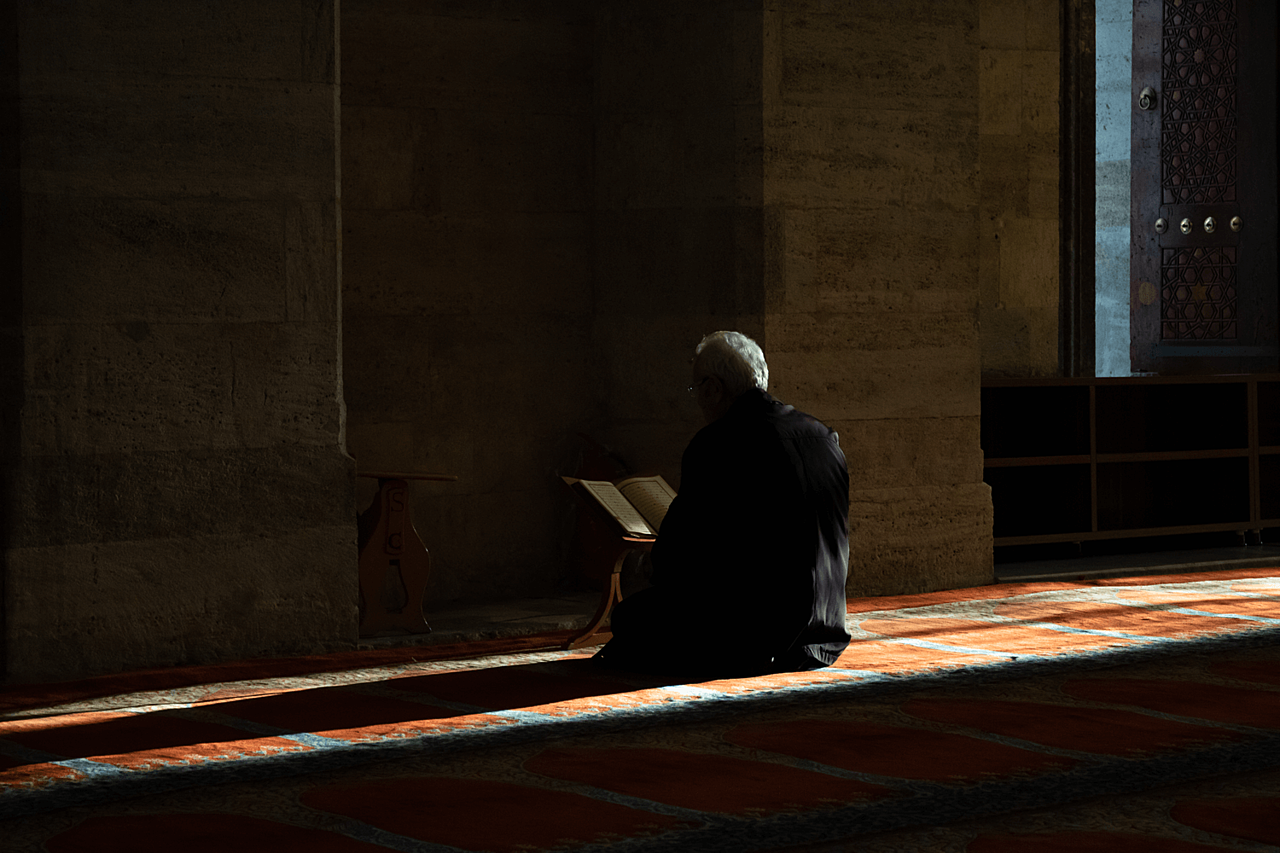
Spirituality, once deeply intertwined with religious tradition and divine connection, has undergone a profound transformation. What was once a pursuit of transcendence and moral discipline has, in many ways, been repackaged into an individualistic, therapeutic, and market-driven concept. The modern spiritual landscape is filled with meditation apps, wellness retreats, self-help gurus, and mindfulness techniques, all promising fulfillment without commitment to any structured moral or theological framework. But does this new form of spirituality offer true peace and purpose, or is it merely a hollow substitute for genuine transcendence?
From Sacred to Secular
Spirituality has traditionally been understood as a connection to the divine, a pursuit of higher meaning, and a disciplined path toward self-purification. The University of Minnesota defines it as “a broad concept with room for many perspectives,” often involving “a sense of connection to something bigger than ourselves” and “a search for meaning in life” (University of Minnesota, n.d.).
Historically, spirituality was deeply embedded in religious practice, guiding believers toward ethical responsibility and divine consciousness. However, in the modern era, spirituality is increasingly seen as separate from organized religion. Many individuals now identify as “spiritual but not religious” (SBNR), seeking personal fulfillment through meditation, self-help philosophies, or secular moral frameworks (Pluralism Project, Harvard University). A Pew Research Center study (2023) found that many SBNRs hold negative views of religious institutions, perceiving them as restrictive and outdated. This shift reflects a growing skepticism toward religious authority and a preference for personalized spirituality—one that demands no obligations yet promises inner peace.
The Commercialization of Spirituality
While modern spirituality often claims to be about self-discovery, much of it has been co-opted by consumer culture. Spirituality has become a billion-dollar industry, with self-proclaimed gurus selling enlightenment through expensive courses, books, and wellness retreats. From mindfulness coaching to energy healing, spirituality has been repackaged as a personal brand rather than a disciplined pursuit of truth.
The capitalist model of spirituality thrives on the idea that fulfillment can be bought. Social media influencers promote “high-vibrational lifestyles,” encouraging people to manifest their desires through vision boards, positive affirmations, and high-priced retreats. This approach, however, reduces spirituality to a tool for personal success rather than a path to higher truth. The focus is not on submission, sacrifice, or moral discipline but on self-gratification.
The Psychological Appeal and Its Limitations
Secular spirituality often borrows practices from religious traditions, such as meditation, yoga, and mindfulness, but strips them of their theological foundations. These techniques, once meant to cultivate deep spiritual awareness, are now promoted as stress-relief exercises rather than acts of devotion. While they provide temporary mental clarity, they often fail to address the deeper existential questions: Why am I here? What is my purpose?
Neuroscientific studies have shown that meditation can reduce stress and increase emotional regulation. But can these practices replace the moral and existential guidance that faith provides? Thinkers like Sam Harris (2014) argue that spirituality can exist without religion, but his perspective assumes that spiritual experiences are merely psychological states rather than encounters with divine reality. Islamic spirituality, by contrast, does not view dhikr (remembrance of Allah) or salah (prayer) as mere mental exercises; they are acts of submission, transforming the soul and strengthening one’s moral compass.
Moral Relativism: When Spirituality Becomes Subjective
One of the most critical flaws of modern spirituality is its lack of a unified moral framework. In the absence of divine authority, morality becomes subjective; what is right today may be wrong tomorrow, depending on cultural trends. Thinkers like Yuval Noah Harari (2015) argue that ethics evolve through human consensus rather than divine revelation, but this raises a crucial question: Can a moral system based on shifting human preferences be truly stable?
Without a fixed moral reference, secular spirituality often reinforces self-serving ethics. If spirituality is only about “what feels right to me,” then moral responsibility becomes optional. Unlike religious spirituality, which demands accountability, secular spirituality allows individuals to define their own truths even at the cost of ethical consistency.
Islamic Spirituality: A Holistic and Purposeful Approach
Islam provides a structured yet deeply personal framework for spirituality, ensuring that it is neither hollow nor detached from ethical living. Unlike modern spirituality, which focuses on self-indulgence, Islamic spirituality demands submission to Allah, moral discipline, and social responsibility.
1. Purposeful Spirituality
Islam defines the purpose of human existence clearly:
“And I did not create the jinn and mankind except to worship Me.” (Quran 51:56) Spirituality is not about escaping worldly responsibilities but about fulfilling them with sincerity and devotion. Work, family, and social justice efforts all become acts of worship when done with the right intention.
2. Tawheed (Oneness of Allah): The Foundation of True Spirituality
Unlike vague notions of universal energy or self-divinity, Islam upholds strict monotheism. Allah is neither an impersonal force nor a subjective concept; He is the All-Knowing, the Sustainer of all existence. True spirituality lies in recognizing His authority and aligning one’s life with His guidance.
3. Balance Between Ritual and Inner Transformation
Islam does not reduce spirituality to rituals alone, nor does it detach faith from action. Tazkiyah (self-purification) and Ihsan (spiritual excellence) are central to Islamic teachings, emphasizing both external worship and internal sincerity. The Prophet (peace be upon him) taught that true spirituality is not just about performing acts of devotion but about refining one’s character and serving humanity.
4. The Response to Secular Spirituality
Many turn to secular spirituality, seeking inner peace without religious obligations. However, without divine guidance, this pursuit often remains superficial. Islam provides not only mindfulness and emotional well-being but also a clear ethical and spiritual structure that ensures personal fulfillment without moral ambiguity.
A Return to Authentic Spirituality
The evolution of spirituality has seen a shift from a divine connection to a self-centered wellness culture. While modern spirituality promises peace and fulfillment, it often fails to provide lasting purpose or ethical clarity. The commercialization and individualization of spirituality have created an illusion of transcendence, one that soothes anxiety but rarely leads to deeper moral and existential transformation.
Islam, by contrast, offers a holistic spiritual path that integrates faith, ethics, and daily life, ensuring that spirituality is not just a feeling but a lived reality. It provides a clear purpose, moral stability, and a direct connection with Allah. In an age where spirituality is often reduced to personal gratification, the question remains: Is true peace found in self-serving mindfulness, or in submission to the Creator who transcends all human limitations?