

In wake of the current move of UGC (University Grants Commission) in which it grants “autonomy” to 62 public academic institutions, a lot of debates has been raised by the academic community of the nation. The autonomy power allows these institutions different degrees of freedom in academic and administrative decision-making. This approval was given under UGC’s new regulation on ‘Categorization of Universities for Grant of Graded Autonomy’, which aims to provide greater autonomy to institutions under three categories, based on their NAAC accreditation score. The list includes universities like AMU, JNU, BHU, TISS, and others.
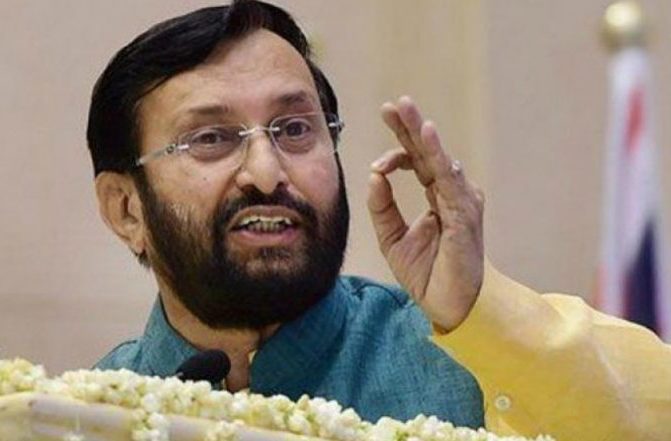
As the HRD Minister Prakash Javadekar quoted, the graded autonomy gives institutions the freedom to start new courses, new departments, off-campus centres, research parks, appoint foreign faculty, admit foreign students, pay variable incentive packages to their teachers, introduce online distance learning and enter into academic collaboration with top 500 universities of the world without seeking UGC’s permission.
Though this move is being welcomed by some, a large group of the academic community fears it as a threat to the spirit of education. The fact can’t be denied that even as the autonomy regulations encourage the inception of new programs and courses, the burden of facilitating these remains on existing funding, as this is conditional on “no demand for fund [being] made from the government”. This would, in turn, create an unsettling of the university’s/college’s mode of fund disbursal across departments and their courses. With extra programs and the staff strength needed against these, institutions would face enormous pressure to meet both infrastructural and human resource demands. And the easiest recourse that aids a self-financing model is typically the higher fee structure forced upon the student – whereby, colleges are now empowered to “fix fees of the courses at their own level” (ASC, Clause 3.7). The policy will give autonomy to university for sure but will distance the university itself from a large number of students who won’t be able to cope up with the high fee structure, rendering higher education an expensive commodity.
Moreover, the entry of foreign students through a variable higher fee in the first place signals a new capitation fee model of backdoor admissions. The professors of DU and University of Calcutta point out it rightly that the provision of incentivised salaries to foreign faculty, with no objective basis for salary structuring outside the shadowy zone of negotiation would usher in a cut-throat, competitive ethic mounted on profound inequalities. With the privatisation of the public universities in favour of opening up the higher education, it is clearly detaching the idea of the public university from any commitment to public interest or social justice. This would render the public universities just as a business place to earn maximum profit in the world market rather than being a non biased public good.
State’s attempt to distance itself from education sector in the veil of giving complete autonomy to universities is one more backlash on the higher education in India, and probably the most neo-liberal in nature. The truly ‘autonomous’ public university is one where students and teachers are not labelled ‘anti-national’ for critiquing state policy, accused of intellectual terrorism for refusing to let themselves be mowed into patriotic censure, rendered vulnerable to arbitrary ‘codes of conduct’ for little daily acts of truth-telling.
And the question automatically hits sensible minds- is the Indian government really so short of funds that it feels forced to abandon its constitutional pledge to education? Or it is a well-planned political motive to limit the access to the higher education to only a select few? The answer is not far-fetched!!!