

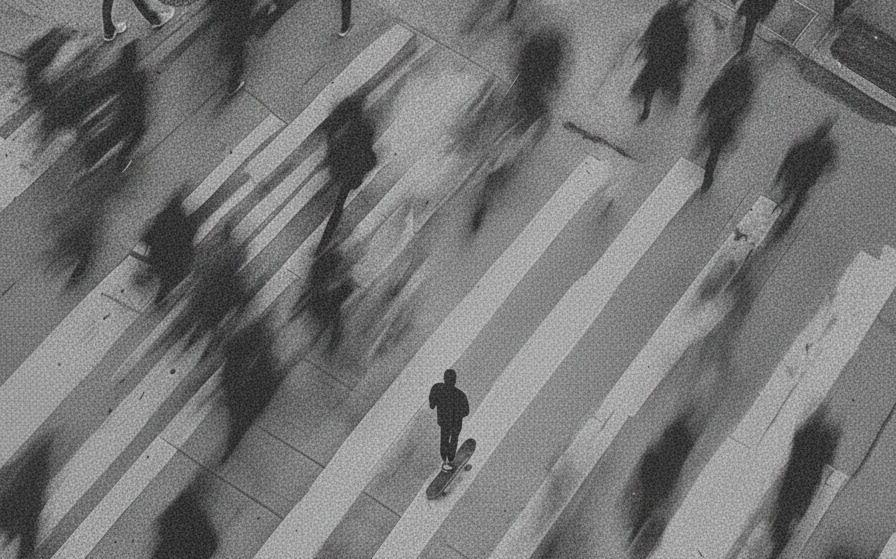
There was a time when a cry nearby would stop us in our tracks. Today, it barely slows our scroll.
We live in an age of endless connection, yet startling emotional distance. Screens glow brighter than faces, reactions come faster than reflection, and empathy is often replaced by apathy. Ehsaas, the ability to feel another’s pain as one’s own, feels like a fading instinct. What we are witnessing is not just a decline in manners or morals; it is a deeper spiritual erosion. Hearts are hardening, compassion is thinning, and human suffering is quietly losing its weight.
When Ehsaas disappears, injustice does not arrive loudly. It settles in gently through indifference. Islam reminds us that the repair of the world does not begin with systems alone. It begins with the heart.
The Essence of Ehsaas
Islam’s message does not open with commands, punishments, or conditions. It opens with mercy: “In the name of Allah, the Most Compassionate, the Most Merciful.” This is not accidental. It is foundational.
Every prayer we offer, every law we follow, and every moral boundary we uphold is meant to grow from this divine compassion. Faith, in Islam, is not meant to be mechanical or distant. It is meant to be alive responsive to pain, alert to injustice, and gentle with people.
Allah describes the Prophet Muhammad ﷺ as “a mercy to the worlds” (21:107), and his life reflected this at every turn. He taught that strength is not found in domination but in restraint, not in harshness but in kindness. Compassion was not an addition to his faith—it was its proof. To be Muslim, then, is not only to believe correctly, but to feel deeply and act responsibly.
When Ehsaas Is Missing
The opposite of Ehsaas is not hatred, it is indifference. Hatred still reacts, indifference does not care enough to respond.
When Ehsaas fades, people turn into numbers, tragedies into headlines, and suffering into background noise. The Qur’an describes this condition with unsettling clarity:
“Then your hearts became hardened… like stones, or even harder.” (2:74)
This is how societies quietly decay. When we stop seeing others as extensions of our own humanity, cruelty becomes easier, injustice more acceptable, and silence more convenient. Islam does not ask us merely to avoid harm; it asks us to actively heal, to replace darkness with light, and neglect with responsibility. Without Ehsaas, religion risks becoming ritual, performed but not felt.
Restoring Humanity Through Justice and Compassion
In Islam, Ehsaas is not passive sympathy; it is active mercy. Allah commands: “Indeed, Allah enjoins justice, excellence (ihsan), and giving to relatives.” (16:90). Justice ensures fairness, but Ihsan ensures humanity. Justice alone can be cold; compassion alone can be fragile. Islam holds both together. The Prophet ﷺ said: “None of you truly believes until he loves for his brother what he loves for himself.” This is not idealism; it is accountability. Faith, here, is measured not only by prayer mats but by how we treat others when no one is watching.
Ehsaas in Everyday Life
Ehsaas does not demand grand stages or dramatic sacrifices. It lives in small, often unnoticed moments. A smile offered sincerely. A kind word spoken at the right time. A hand extended quietly when pride would rather turn away. The Prophet ﷺ reminded us:
“Smiling at your brother is charity.”
“Removing something harmful from the path is charity.”
These teachings remind us that goodness is not always loud. Islam honours everyday compassion, teaching that sincerity, no matter how small, carries eternal weight. When kindness becomes a habit, healing becomes possible.
Reviving Ehsaas in Modern Times
Modern life rarely encourages pause. Speed is rewarded. Visibility is currency. Self-interest is marketed as self-care. Social media constantly places us in cycles of comparison what we own, how we look, how we live. Trends like shopping hauls, luxury routines, and curated lifestyles subtly train us to measure worth in possessions, not principles.
At the same time, constant exposure to violence from Palestine to Sudan has created a dangerous numbness. Endless images of suffering no longer disturb us; they exhaust us. We scroll, not because we do not care, but because we no longer know how to feel. The Qur’an offers a way back: “You will never attain righteousness until you give of what you love.” (3:92). Giving softens the heart. Gratitude humbles the soul. Reviving Ehsaas today requires conscious resistance, choosing presence over distraction, restraint over excess, and purpose over performance.
A Call to Restore Humanity
By now, one truth stands clear: Ehsaas is not a feeling that comes and goes. It is a way of being. Restoring humanity begins with recognising where we have grown numb, acknowledging our shared wounds, and choosing to respond with conscience. The Prophet Muhammad ﷺ embodied this spirit most profoundly during the conquest of Makkah. After years of persecution, humiliation, and violence, he stood victorious, yet chose forgiveness, declaring, “Go, for you are free.” That moment defined strength not as revenge, but as mercy.
To follow the Prophet ﷺ today is to revive this ethic in our lives: choosing compassion over anger, fairness over convenience, and generosity over neglect. It is to turn faith into a lived responsibility. When hearts remember mercy, societies begin to heal.
And when Ehsaas returns, humanity finds its way back.