

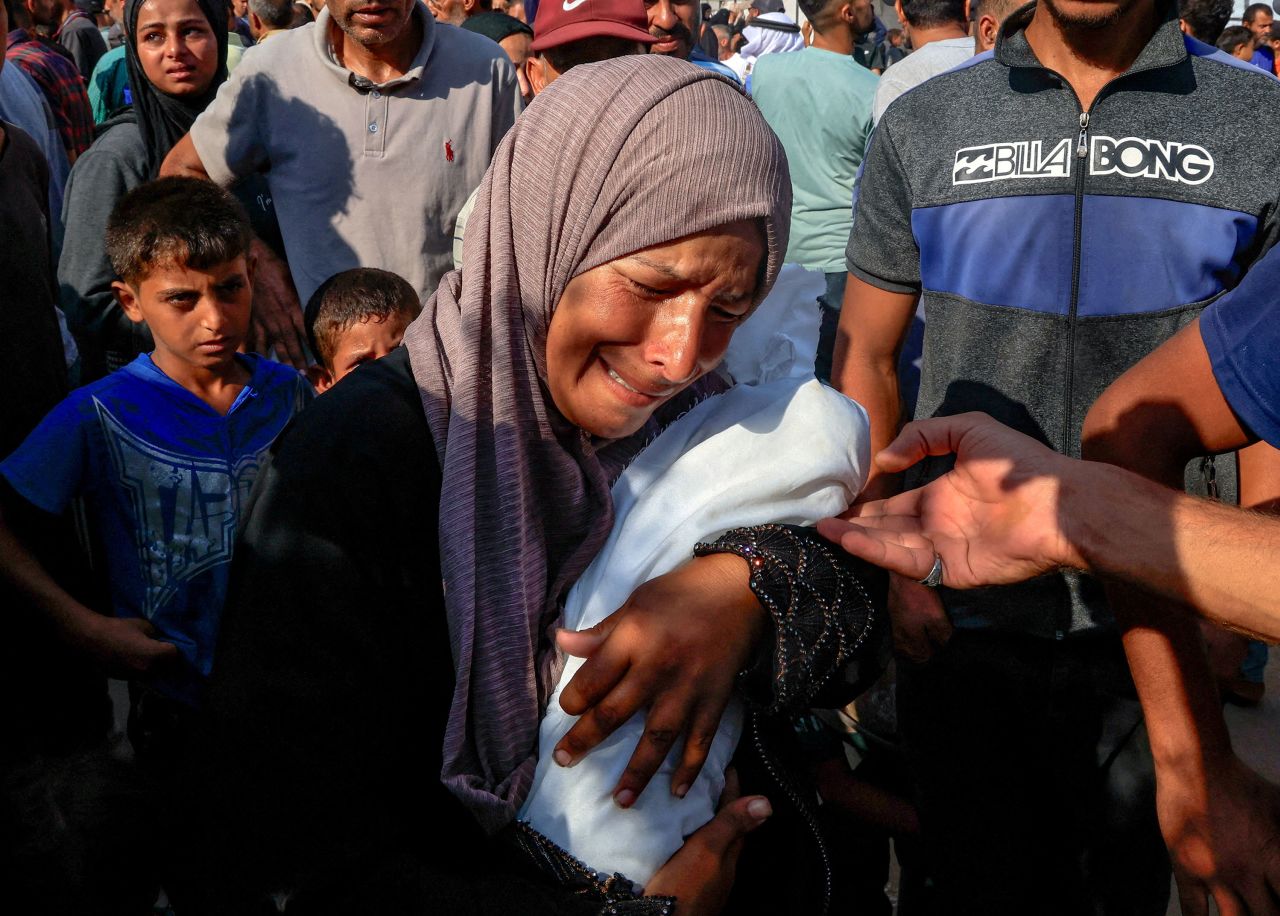
In times of crisis, especially a crisis as devastating as the ongoing genocide in Gaza, the role of a scholar is thrown into sharp relief. What does it mean to be a scholar when an entire people are fighting for survival? This question is at the heart of a powerful critique emerging from within the Muslim community. It argues that a certain type of modern Muslim scholarship has become a performance, a luxury, and a far cry from its traditional, more demanding roots.
Palestinian activist Raja Abdul Haq, in a widely shared post, highlights the gap between what scholars could be and what they’ve become. He writes:
“Defensive folks who are asking us for specific things Muslim scholars can do to help people of Gaza are missing the point entirely. I can draft 100s of ideas for them; however, the issue is their inability to see themselves as leaders who are willing to sacrifice it all for Gaza. They are content with the luxury of being spiritual leaders in a secular society. Capitalism has changed Muslim scholarship from a grave responsibility, full of sacrifices, to a mere celebrity class that helps Muslims align their spiritual needs with materialism instead of revolting against it.”
Abdul Haq’s words point to a painful truth: scholarship, for some, has transformed from a responsibility into a comfortable, even lucrative, profession. It’s no longer about challenging injustice but about providing a spiritual comfort that coexists with the very systems of power and consumerism it should be questioning.
This shift is further detailed by Hatim Basian, who describes the “aesthetics” of modern scholarship. He notes:
“The aesthetics included the particular mode of clothing that conveys spiritual authority, video productions to keep up with the demands of the medium, and elaborate staging to compete with Hollywood productions. Please don’t ask how much it costs for Islam calls us to beauty, and ‘scholars’ need to perform their ‘scholarly’ magic.”
This observation about the “performance” of scholarship is a critical one. It suggests that the focus has moved from substance to style, from deep knowledge to public image. The very platform and medium of communication have become more important than the message itself, creating a spectacle that often distracts from real-world problems.
This trend toward professionalism and spectacle is not new. The late Palestinian-American intellectual Edward Said warned about it decades ago. In his 1993 Reith Lectures, he stated:
“The particular threat to the intellectual today, whether in the West or in the non-Western world, is not the academy, nor the suburbs, nor the appalling commercialism of journalism and publishing houses, but rather an attitude that I will call professionalism.”
Said’s critique of professionalism as a threat to intellectual integrity is more relevant than ever. When scholarship becomes a profession, its priorities can shift from seeking truth and justice to maintaining a career, brand, or public profile. This focus can obscure reality and silence voices that challenge the status quo. We are witnessing the consequences of this shift today, with an abundance of scholars who seem unable to offer a meaningful response to the horrific events in Gaza.
The true weight of this failure is captured in a viral video from Dr. Fayez Abu Shalama, the former mayor of Khan Younis. His words are a searing indictment of a scholarship that has lost its way. He asks:
“To the high and mighty Muslim scholars of this ummah, to the Grand Mufti of al-Azhar, to the Shuyukh of Two Holy Sanctuaries, to all those who give sermons on their pulpits… we do not want your solidarity, we do not want you to make calls to defend us militarily, we do not even call upon you to demand that the borders to be opened for the aid to flow in. No… we only ask of you one thing: pray tell, please instruct us, how exactly did the Prophet Muhammad ﷺ used to tie a rock around his stomach when he was hungry? What kind of rock did he use? Can we use rocks from the ground, or can it be a piece of rubble from our homes? Should the rock be big in size, or small? How should we tie it? On which part of our abdomen? Please, enlighten us, oh Muslim scholars, enlighten us with your fierce, scathing, roaring and insightful scholarship“
As we know, this isn’t a genuine request for a religious ruling; it’s a satire to point out the relevance of proper action. It’s a powerful metaphor for the disconnect between academic or theoretical scholarship and the lived reality of those facing starvation and death. While scholars debate abstract points, the people of Gaza are facing a more immediate, gut-wrenching question: how do you survive when you have nothing?
The essence of scholarship in a time of genocide is not about eloquent silence or performative gestures. It’s about resistance. It’s about using one’s intellect and platform to reclaim the narratives of social justice and refuse to let them be silenced or subdued. This means using words not just to describe, but to empower. It means choosing action over inaction, however small, and relentlessly working to hold power accountable. True scholarship, in this moment, is not a performance; it is a profound and demanding act of solidarity.
Hamid TP is the Editor of the Campus Alive web portal. Holds a Bachelor’s degree in Islamic Theology and a Master’s degree in Contemporary Islamic Jurisprudence from Shantapuram Al Jamia. Additionally, completed a BA in General Studies (History, English, Sociology) from Jamia Millia and an MA in Political Science and Human Rights from Mahatma Gandhi University, Kottayam
References
- https://x.com/Raja48/status/1953263476484235512
- https://substack.com/inbox/post/168421785?utm_campaign=post&showWelcomeOnShare=true&triedRedirect=true
- Edward Said’s Representations of the Intellectual (1993 Reith Lectures)
- https://www.instagram.com/p/DJZNffWvYka/