

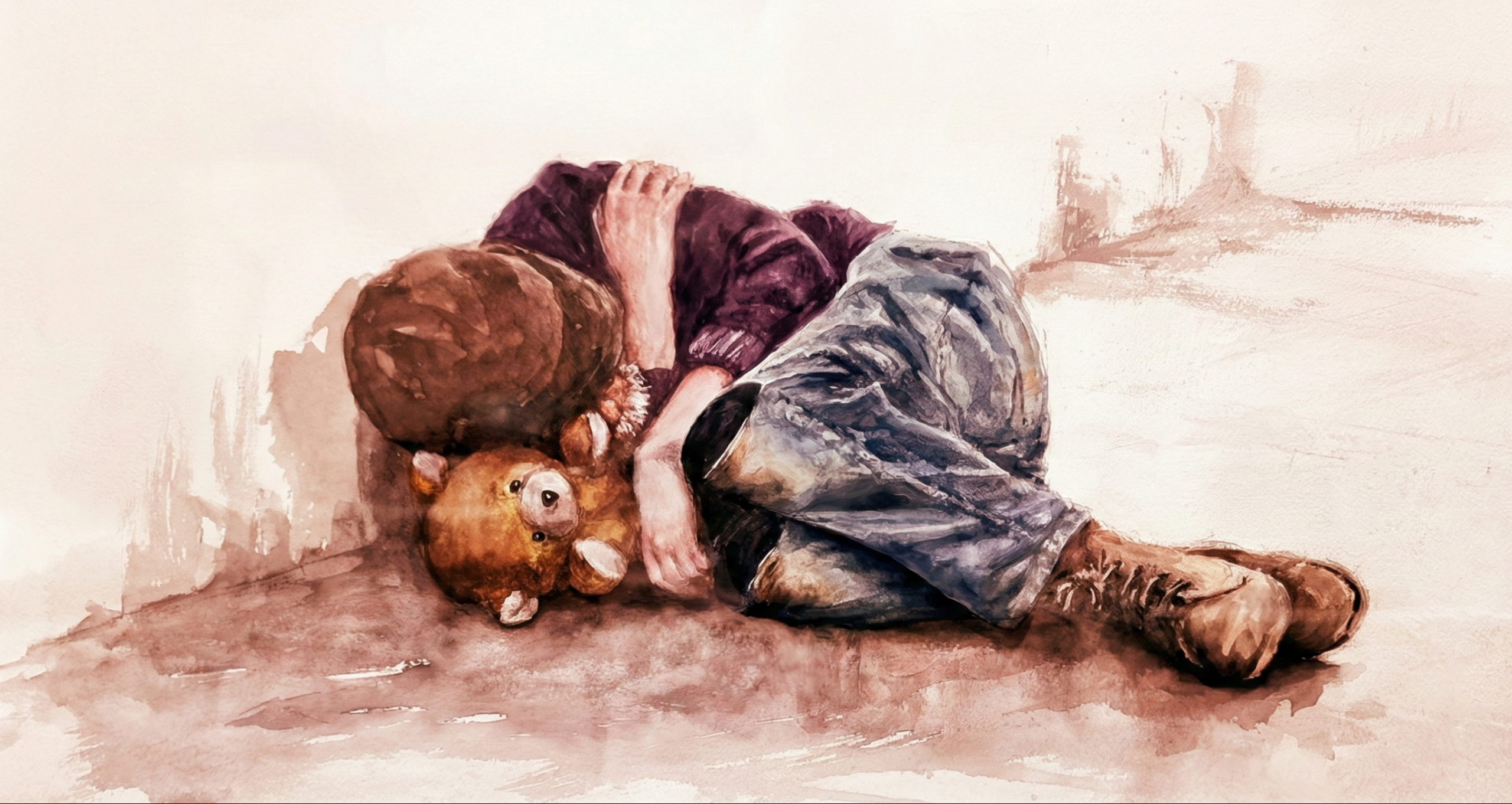
I often wonder what brings us to pause and read about suffering. Is it simple curiosity about what is happening in the world, or is it something deeper, the quiet urge to feel, even briefly, the pain of others? Somewhere, a mother has been separated from her child. Somewhere, a person has lost not just a home, but a sense of belonging. Some have lost their names, their rights, and the safety that once defined their lives; others have lost their laughter, their emotions, and even their identity. And yet, many of us remain distant. We read, we watch, and then we move on, while others continue to wait—for justice, for protection, for someone to care. Many live each day in fear, knowing that tomorrow they could become victims of harassment, violence, or erasure. It is within this unsettling reality that public atrocities unfold, leaving behind not only visible destruction but deep psychological wounds and moral questions that society can no longer afford to ignore.
The Hidden Wounds: Fear, Trauma, And Mistrust
From a psychological perspective, public atrocities leave deep wounds, many of which remain unseen. Victims often feel helpless and silenced, as if their voices no longer matter. During moments of violence and exploitation, they lose not only safety and basic rights, but also dignity and control over their own lives. As the Qur’an reminds us, “We have indeed honored the children of Adam” (17:70), a dignity that is painfully violated in such acts of violence.
In the immediate aftermath, fear becomes a constant part of life. People living in nearby communities begin to walk more cautiously, speak less openly, and remain alert even during ordinary moments. Small sounds can trigger anxiety, and daily routines that once felt normal no longer feel safe. This continuous state of alertness slowly affects mental well-being, relationships, and everyday behavior. For many, sleep is disturbed by recurring nightmares, and the mind remains caught in constant worry and fear of what might happen next.
With time, the psychological impact deepens further. Victims and surrounding communities often develop a lasting sense of mistrust towards institutions, neighbours, and even familiar faces. Children growing up in such environments silently absorb this fear. Their emotional growth is disturbed, and their sense of safety, trust, and belonging becomes fragile and uncertain.
At the same time, those who are geographically or socially distant from the atrocity often remain emotionally unmoved. They may hear about the event through the news or social media, yet fail to truly understand its depth. This emotional distance leads to a lack of empathy, leaving victims without the psychological support they desperately need.
Rulers, Rules, And The Price Of Inaction
From a socio-political perspective, it’s hard to separate public atrocities from the role of those in authority. A lot of suffering happens because of decisions made by the people in power->like when homes are taken for construction, modernization, or when people are forced to leave and become refugees.
Refugees, for example, live in very difficult conditions. W. H. Auden in Refugee Blues shows how they have less freedom than even animals, losing safety, belonging, and recognition. It’s sad, and it shows how systems that are supposed to protect people can sometimes fail them.
This is why, after such events, everyone looks at the government. They hope that the truth is told and that the authorities do something sincere to help.
But sometimes, these expectations are not met. When justice takes too long or feels far away, the victims feel even more helpless. In this silence, we can see that the failure is not just in the system ->it’s also a human loss.
Echoes Of Conscience
This atrocity exposes the cruel side of humans and a disconnection from moral and spiritual guidance. Violations of justice, life, freedom, and human rights occur when ethical responsibility is absent.
The Qur’an states: “O you who believe! Stand firmly for justice, as witnesses to Allah, even if it is against yourselves, your parents, or your relatives” (4:135), showing that justice must be upheld no matter what, and fairness is a responsibility we cannot ignore.
The Call To Collective Humanity
The way forward requires empathetic governance, stronger legal accountability, and, primarily, psychological support for victims. People who live in comfort zones should cultivate the ability to feel and relate to the suffering of others, not just those in close proximity. Collective awareness and action are essential, as change can only happen when the voices of individuals join together. Alongside this, the government must enforce strict laws while upholding human values and care, ensuring that justice and support reach those affected.