

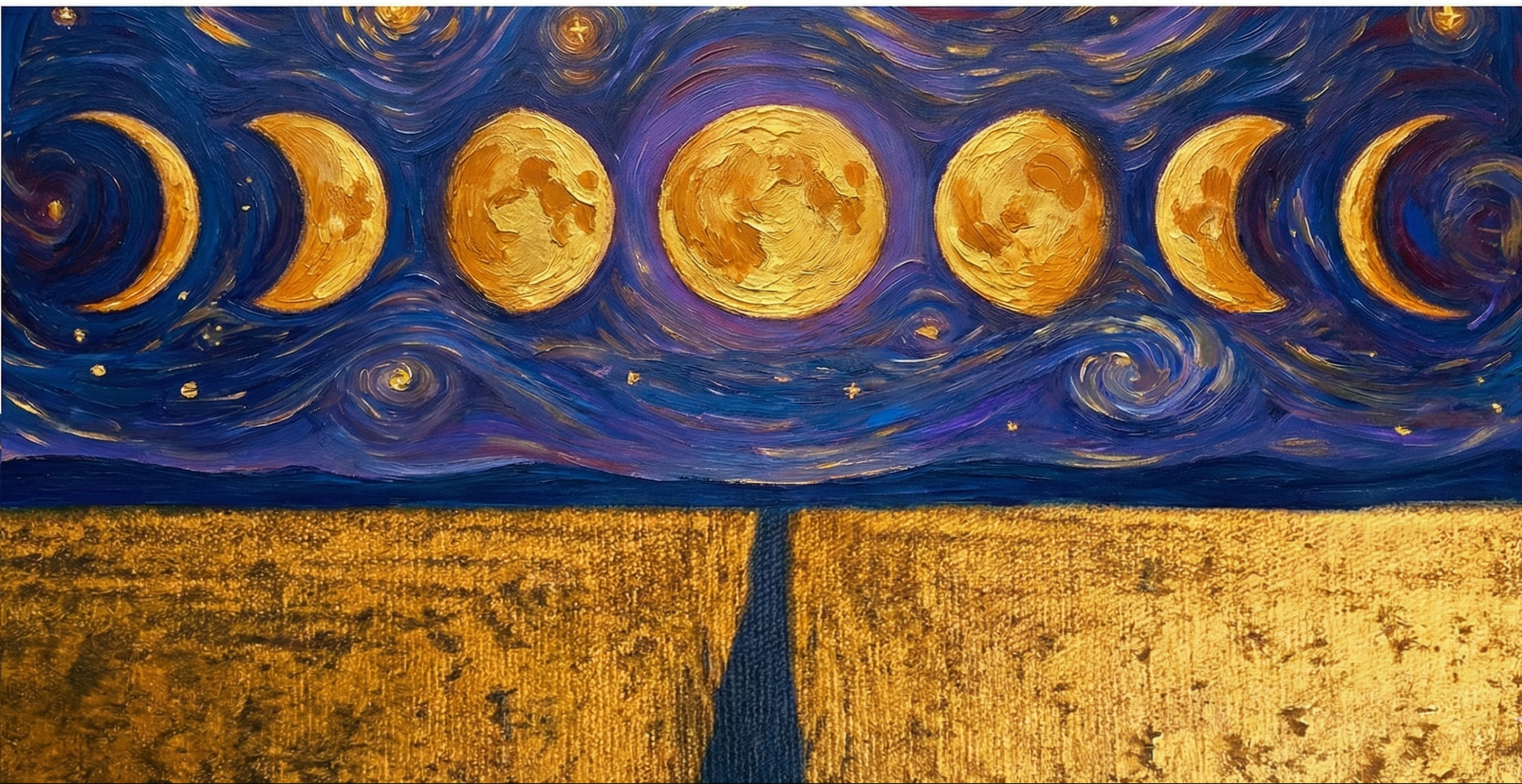
Ramazan has a peculiar socio-economic aspect to it. The peculiarity lies in the lunar cycle of the Islamic calendar. The Islamic calendar is the only calendar in wide observance that does not adjust for solar cycles. Which is why it gets a shortfall of 10-12 days every year when compared to solar calendars. Most civilisations that followed lunar calendars adjusted for solar cycles, known as intercalation. This was also practised by the pre-Islamic Meccans to make sure holy months don’t coincide with battles or time the holy months in the season of trading so as to get the most benefit from pilgrimage to the Kaaba. This practice was prohibited by the Prophet Muhammad (saw) as per the commandment of Allah. The order of the month at the time of prohibition was deemed to be correct and followed thereafter without any intercalation. This meant that the Islamic calendar cycled independently of the most common form of socio-economic organisation in human history, agriculture.
Human civilisation has been organised around an agri-economy for the longest period of its history. Without the invention and improvement of agriculture, humanity would never have become a settled habitat with a stable (more or less) population and economic growth. Agricultural economy works on a pattern of weather seasons which depend on solar cycles. Hence, most agricultural civilisations have developed their methods of solar calendar and system of calculations. One aspect of the agricultural economy of interest is the seasonality of work patterns. Farmers work the most hours during the sowing and harvesting seasons, which are usually summer and autumn. The winters were mostly resting periods for farmers, who then used this time to do other less toiling chores like sewing, woodworking, etc. This pattern of toiling work followed by a rest period has its benefits in keeping life “interesting” and healthy. Seasonality of work meant an average person had a more rounded life experience in a year, allowing him/her to tend to different aspects of life. The seasonal resting periods were in addition to multiple days of festivals, both religious and communal, all around the year. Studies have estimated that the average person worked only 180 days in a medieval agricultural economy.
However, this pattern of work of the majority of humanity was eroded by the advent of industrialisation and capitalism. Industrialisation meant human civilisation has, over time, made itself non-dependent of natural cycle; a factory can work year-round without being concerned with the seasonal weather changes. I am not arguing for romanticism, modern industrialisation is indeed better than medieval in more ways than it’s not. But it has also eroded that synchronisation of nature and socio-economic life. Resulting in a mechanical life pattern of a modern worker clocking 9-5 every weekday, doing the same or similar work all year. The only respite he/she get is on weekdays and occasional festivals. A modern worker can atmost claim to 12-15 days of contiguous non-working days, even less in India. This, of course, has an effect on our life perspective and experience.
A person needs to have regular work-offs and a seasonal sabbatical to rest and recharge. Any form of seasonal sabbatical is a non-attainable luxury for most of the people. The industrial mode of production in a capitalistic economy compels labourers to year-round regular work. In such a system, Ramazan offers a seasonal cooling period to be easy on work and direct attention to spiritual development and righteous abstentions. The fasting of Ramazan is a unique religious practice among all religions. No other religion has such a long period of contiguous worship/observance mandate. While occasions like Eid and Friday prayers can also be found in other religions. The framework of five farz prayers, Friday congregation and Eid provides a regular boost for spiritual needs, Ramazan provides a seasonal sabbatical in line with the agricultural work pattern. The pattern which a helps a person most in a well-rounded experience of life. Lack of synchronisation between the solar cycle and the Islamic calendar has further advantages to it. If the Islamic calendar followed the intercalation method to be in line with the solar cycle, Ramazan would always fall around the pre-winter period. This would generate its own socio-religious practices. But the non-sync of these two cycles means that Ramazan falls on all months over a period of 33 solar years. This way, a 50-year-old person would have experienced Ramazan in all stages of a year in adult life. A person growing up would have observed Ramazan in summers, in winters, in spring, during exams, during the financial year-end, etc. This attaches spiritual development to all aspects of an individual’s annual engagements in life. Signifying the non-esoteric or non-hermetic nature of spirituality in Islam.
Thus, in the current age of hustle culture and constant work engagements, Ramazan offers a natural cycle of inward spiritual introspection and environment for islamic self-realisation.