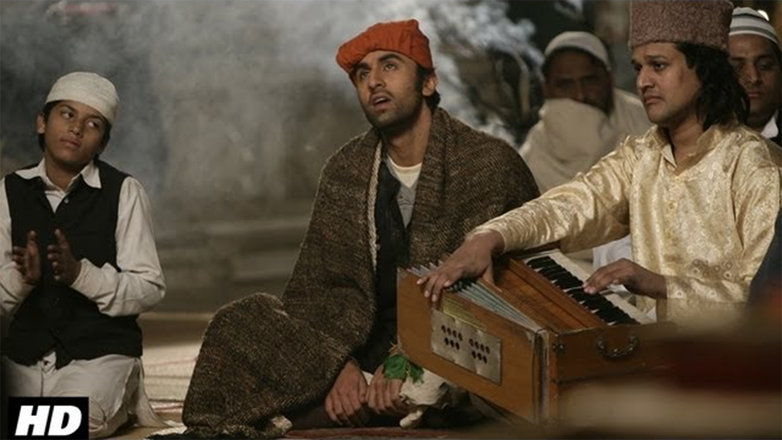
Kun Faya Kun is a phrase from Surah Yasin —a chapter denoted as the heart of the Quran which literally means, “Be and it is!”.
The literal meaning has something to do with the creation of this world as per the Holy Qur’an. Even though Qur’an at various places says that the Earth and Heaven were created in six phases, the phrase that mentions Kun Faya kun symbolizes the fact that, ‘When He decrees a thing, He says to it only: “Be!” And it is’. And as per the holy book this is how the creation of the universe deemed into a reality. Instantly, with the phrase Kun Faya kun.
The lyrics of the song says jab kahin pe kuch nahi bhi nahi tha, vahi tha vahi tha, emphasise this meaning and points out that “When there was nothing else in this world, He (God) was the One”
The song “Kun Faya Kun” is plotted in the movie ‘Rockstar’ and emerges when Janardhan is kicked out from his house by his siblings, standing accused of stealing his elder sister’s money when in fact he didn’t. He then takes refuge in a mosque where zikr and salawat (Prayers) are taking place.
While he is trying to settle down, he hears a group of people singing this song and he is incited to join them as his ambition is to be a singer. Then he expresses every single bit of feeling through these poetic verses of the song penned down by Irshad Kamil. The phrase ‘Kun Faya Kun’ is later borrowed by the Indian maestro and musician legendary ‘AR Rahman’, to be composed in a Sufi song mixed with Urdu and Hindi language.
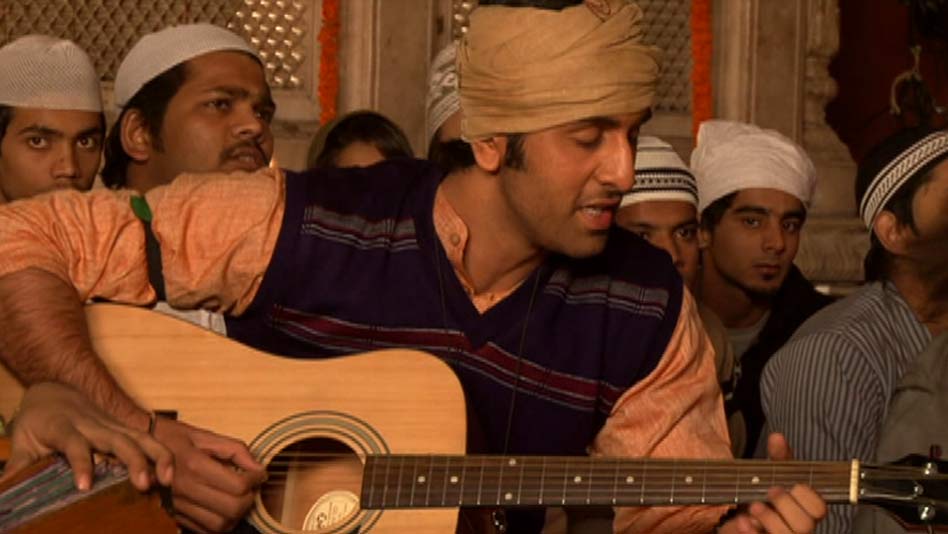
This song is heavily linked with the qasidah and zikr ethos that are eminent in Islamic culture, as the song itself derives the Arabic phrase to be its title from the Quran. The song runs ina qawwali form depicting the Music Art form of Indian culture.
The first aspect or value that is instilled in the song is simply ‘repentance’. That to repent is never too late. In fact, God never rejects anyone repenting to him, instead He opens his arms to embrace our homecoming. To err is human. A sinner who regrets his sins and repents is better than a sinner that constantly commits sins disregard to accountability. To lose hope in the mercy of God is perhaps the gravest of sins.
The song rings this theme in the line, “Aaja khalipan mein pee ka ghar tera. Tere bin khali aaja khalipan mein.” which profoundly means, ” Come into the Void, the home of your Beloved- Without you there is Emptiness in this Void”. Meaning that when Allah is not present within ourselves, one shall feel a sense of void and emptiness within his soul. A sense of unworthy life and nihilism slacks over the thoughts.
The next aspect that the song addresses is ‘purity’. The song intends to purify our soul from every dark and negative aura that damages the heart thus, advises oneself to sincerely turn towards the light (God). This point is reverberated with the line, “Sajra savera mere tann barse, Kajra andhera teri jalti lau”. which literally means, “The Morning Showers Rain (Blessing) on me – And Cleans up the dark in me”. The verse above is an allegory “if God’s blessings resonated in our life, then no darkness can extinguish the light within.
“Kun Faya Kun” song can also act as an encouragement to lift us up mentally after being outrageously downed by series of mistakes and sins that we ourselves fall into. This song primarily encourages us to always put our hope and faith onto Him and always remember that whatever happens is within His power and mercy.
The song “Kun Faya Kun” was sung by three main singers — Javed Ali, AR Rahman himself, Mohit Chauhan who represents the qasidah leaders and Ranbir Kapoor (the protagonist in the film) respectively. Followed closely behind by the background singers that surely won’t disappoint.
The title “Kun faya kun” or “Be and it shall be” primitively echoes the authority of God over the origin of the universe. It symbolizes true power and supremacy. Much of the lyrics in general are merely an explanation that the answer to human chaos is in surrendering to the authority.