Medical education in India stands at a unique crossroads, where the demands of rigorous academics often overshadow the importance of personal growth and extracurricular activities. This imbalance creates a college life that is vastly different for medical students compared to their peers in other fields. As a second-year MBBS student, I reflect on how these aspects interplay in the life of a medical student and how revisiting the idea of universities can foster a more holistic experience for students like us.
Balancing Personal Growth with Academics
The journey of a medical student often feels like walking a tightrope, balancing academic excellence with the need for personal development. In many Indian medical colleges, the emphasis on academics often sidelines activities that promote creativity, critical thinking, and emotional well-being. However, both realms—academics and extracurricular activities—are crucial for shaping competent and compassionate doctors.
At my college, we’ve made small but meaningful strides toward this balance. For instance, our Humanity Club provides a unique platform where students and professors come together for open conversations about the humanitarian aspects of medicine. These sessions are introspective, emotional, and profoundly enlightening, offering a much-needed space for students to explore the broader, more humane dimensions of their field.
Additionally, the integration of the Attitude, Ethics, and Communication (AETCOM) module into the medical curriculum is a positive step forward. However, its implementation remains inconsistent. We are striving to bring the AETCOM ideals to life through our club’s initiatives, proving that the humanities are as essential in medical education as anatomy and physiology.
Reviving Campus Spaces and Encouraging Events
Campus spaces should not remain stagnant. They should be vibrant hubs of activity, fostering creativity, collaboration, and growth. Efforts have been made to break the monotony of academics through events like Celestia, and TEDxNHLMMC, which brings inspiring voices to our campus. The AMCON Conference focused on academic advancements, and the Inter-College Debate Society [The Rhetoric], further enrich the student experience.
Such initiatives not only increase students’ capacities but also cultivate leadership, teamwork, and communication skills. Reviving the idea of a university means creating spaces that allow students to explore their full potential, both inside and outside the classroom.
Addressing Mental Health: The Need for Safe Spaces
Mental health remains a critical issue in medical education. The intense pressure to excel academically and clinically often takes a toll on students’ well-being. While medical campuses have psychiatrists and professors who are approachable and willing to help, there is a pressing need for a dedicated mental health club or society.
Such a space could facilitate open discussions about mental health, helping students express their struggles without fear of judgment. It could also act as a bridge, connecting students to professionals for further consultation if required. Establishing these safe spaces is essential to ensure that future doctors prioritize their mental health as much as they do their patients.
Leadership Development in Medical Education
Leadership training is often overlooked in medical education, yet it is critical for preparing future doctors to navigate the complexities of healthcare systems. Medical students are often confined to the roles of learners and clinicians, with little exposure to leadership roles.
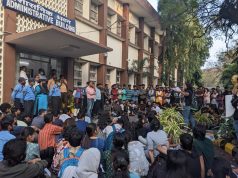
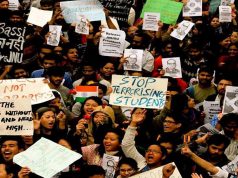
While events like Celestia, TEDx, and AMCON promote teamwork and organization, there is still a lack of a formal student council that can effectively voice student concerns. A state- or nationwide student body for medical colleges, focusing on issues like curriculum reform, campus policies, and student welfare, could amplify our voices. Recent incidents, such as the nationwide campaign following the Kolkata rape case, highlight the urgent need for such representation. Despite significant mobilization, justice remains elusive—underscoring the necessity of stronger student-led advocacy.
Global Health Challenges
Medical campuses must also prepare students to address global health challenges. From pandemics to climate change, the healthcare landscape is evolving rapidly. Universities should incorporate modules that discuss global health issues, fostering an understanding of how local practices can align with global needs.
Medical Colleges, while excelling in clinical training, could further enhance their curriculum by introducing workshops and seminars focused on global health policies, public health initiatives, and collaborative healthcare strategies. This would ensure that students graduate as globally aware professionals, ready to tackle the challenges of tomorrow.
Medical Education
Medical education today faces significant challenges, particularly in how it balances theoretical learning with practical experience. While the curriculum itself remains robust, the overwhelming focus on competitive and theory-based exams has created an imbalance. Students are often consumed with mastering concepts for tests, leaving little time or priority for clinical postings, internships, or fieldwork. This shift toward book-centric learning risks creating a generation of doctors who excel in theory but lack the hands-on experience essential for patient care. Furthermore, the diminishing emphasis on ethics in medical education raises concerns about the foundational values future doctors carry into their practice.
The commercialization of healthcare and medical education has also contributed to this ethical decline. Rising tuition costs and profit-driven systems often shift the focus from compassionate care to financial gain. In this environment, the moral responsibility of a doctor—placing the patient’s well-being above all else—can be overshadowed by systemic pressures. The erosion of ethical training in medical institutions is evident in practices such as over-prescription, unnecessary procedures, and a growing disconnect between doctors and patients. These trends highlight the urgent need to restore ethical principles as a cornerstone of medical education.
To address these issues, medical education must prioritize practical training and ethical grounding alongside rigorous theoretical learning. Clinical rotations, patient interaction, and mentorship programs should emphasize not only medical skills but also compassion, integrity, and accountability. Incorporating ethics as a central component of the curriculum can help students understand the moral implications of their decisions and reinforce their commitment to patient welfare. By reshaping education in this way, the medical field can nurture professionals who are not only skilled but also deeply ethical and service-oriented.
Revisiting the idea of campuses, particularly in the context of medical education, requires a shift from the traditional focus on academics to a more holistic approach. No doubt academic and research plays the most crucial role in building a good framework as a medical health professional but balancing academics with personal growth, addressing mental health, fostering leadership, and preparing students for global health challenges, all rooted in moral philosophy, are critical to transforming medical campuses into vibrant, inclusive, and forward-thinking spaces.
By embracing these changes, campuses can produce not just competent doctors but empathetic, innovative, and socially conscious individuals who are ready to make a difference in the world.