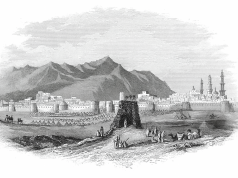

Hajj is the pilgrimage by a Muslim to Makkah during the 10th month of Islamic calendar. It is obligatory on those who are fit and who can afford the journey. It is not just a pilgrimage of rituals but the rituals ordained by Allah during hajj are for the commemoration of the obedience, piety, gratitude, patience and sacrifice epitomised in the life of Ibrahim (A.S). It is the fifth pillar of Islam and if it is performed with pure intention of pleasing Allah Almighty, a Muslim gets his all sins forgiven by God.
The sacrifices, devotion and piety of Prophet Ibrahim (pbuh) were loved by Allah Almighty so much that Allah himself gave him the title of ‘Khalilullah’ i.e ‘Allah’s friend’ in the Quran. If we study the life of Prophet Ibrahim (pbuh) his life is full of exemplary sacrifice and trials. Prophet Ibrahim since his childhood (pbuh) understood the reality of life and God and devoted himself in obedience of God in such a way that when the rebellions threw him into the fire just because of his devotion and steadfastness towards the real Creator that he fearlessly entered it having complete faith in Allah, who saved him by making the fire cool for him. This was the trial of faith.
When Prophet Ibrahim’s (pbuh) people turned hostile towards him (pbuh) just because of his trust and submission towards the Creator he migrated from his own country just for the sake of Allah. It was the trial of sacrificing the love of the land. He sacrificed his hometown and started his journey with his trust on Almighty.
Later in his life when Allah ordered him to leave his wife and infant baby, who was born during his old age, in a barren secluded desert, he did not think twice to submit. He left his wife and newborn in an unsafe and uninhabited place. This was the trial of fear of sustenance, shelter and protection and he passed it by surrendering to Allah ‘s orders. And Allah Almighty pleased with the sacrifice. He blessed Makkah with various kinds of his blessings .Till the end of this world millions of people everyday will be visiting that single blessed place i.e the place where the Kaaba- House of Allah- stands which was built by Prophet Ibrahim (pbuh). The Kaaba today is the direction to which the Muslims from all over the world turn towards during their prayer (namaz).
When the same child (prophet Ismail (pbuh)) grew little older, again Allah tested him by asking him to sacrifice his son for his sake. It was the most demanding trial but Ibrahim (pbuh)’s faith, piety and quality of sacrifice never let his trust on Allah go down. And with his son’s consent he became ready to sacrifice his son. It was the trial of testing the love for an offspring. He passed this trial as well. Allah saves his son Ismail (pbuh) from this sacrifice and Allah gets a goat sacrificed at his son’s place. And this sacrifice is called as the greatest sacrifice.
From the life of prophet Ibrahim we get a lot to learn. That if the world understands the reality of this materialistic world where people forget all the ethics just for the sake of acquiring wealth and the comfort or fame of his own self, and his family then the evils which we find in today’s world can be eradicated very easily. Second thing which we learn from his life is that this worldly life is the provision of Allah Almighty and only obedience and submission to His will , commandments, his plans and his rules can save us from his punishment. Thirdly, he was the teacher for the humanity who passed all the trials of life easily and taught us to be obedient and focus on the life hereafter which is permanent and full of everlasting happiness. Allah blessed the family of Ibrahim so much that from his children there emerged lots of prophets and they all striven hard to call people towards the truth. These blessings towards the prophet Ibrahim (pbuh) were not favoritism by Allah almighty but it was because of his faith, loyalty, piety, sacrifice, patience and obedience. The pilgrims who go to hajj do recall the life of Ibrahim (pbuh) while performing the rituals. Each ritual is performed at a specified place as mentioned in the Quran. This makes one remember the life of prophet Ibrahim (pbuh).
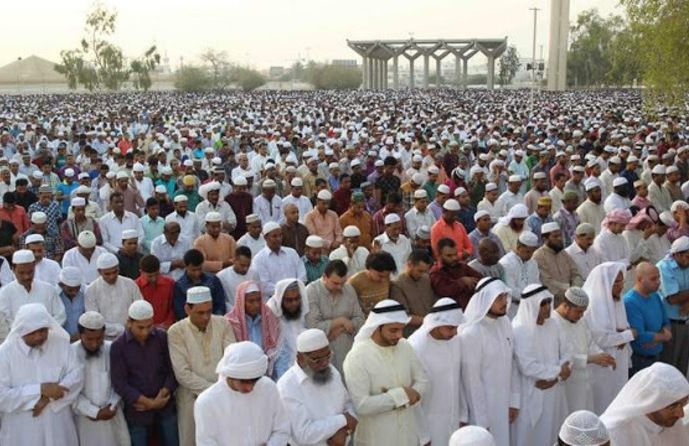
The people who do not go to hajj during those days stay back at their places and celebrate Eid on the 10th day of Islamic month, Dhul-Hijj. This day Muslims from all over the world offer sacrifice if they can afford. Eid ul Azha is not just a day of celebration but it is the day of remembrance of the trials and devotion of prophet Ibrahim(pbuh)’s life which we need to study and follow to get peace in this world and salvation in the life hereafter. Allah wanted the entire humanity after him to follow, obey and implement the qualities of prophet Ibrahim (pbuh) which never let him down during the trials of this life.