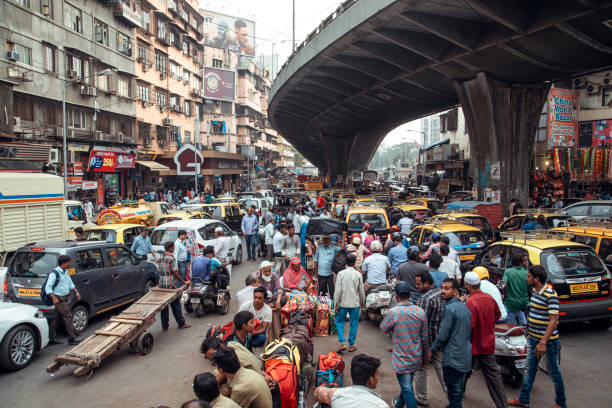
International Workers’ Day, also known as May Day or World Workers’ Day, is a global observance dedicated to honoring the labor movement and the contributions of workers worldwide. Celebrated annually on May 1st, it is recognized as an official public holiday in over 80 countries, while many others mark the day unofficially through rallies, demonstrations, and cultural events. The day serves as a reminder of the ongoing struggles for workers’ rights, fair wages, and safe working conditions.
Yet, in the backdrop of this day lies a quiet but mounting crisis: the normalization of overwork and the undervaluation of rest. The overwork culture in India has become a significant concern, deviating sharply from global work-life balance standards. According to a study by Arcadis, an Amsterdam-based consultancy firm, Indian employees log an average of 2,195 hours annually, substantially higher than cities like Hamburg, Germany, where the average is 1,473 hours, showcasing a substantial difference of over 700 hours compared to their Indian counterparts.
While work can provide meaning and purpose, it often leads to excessive stress and poor mental health. Mental health issues like depression and anxiety are pervasive in workplaces worldwide, impacting productivity and attendance. The World Health Organization (WHO) estimates that the global economy loses US$1 trillion annually due to untreated mental health conditions in the workplace.
This culture of overwork is not just a matter of long hours, it’s about the quiet erosion of emotional health, family time, creativity, and even spiritual well-being. In India, where socioeconomic disparities often force people to equate worth with productivity, the glorification of hustle leaves little room for rest, boundaries, or care.
The narrative of the “ideal employee” often rewards burnout over balance, presenteeism over purpose. In January 2025, L&T Chairman SN Subrahmanyan sparked widespread controversy after a video surfaced in which he advocated for a 90-hour workweek, including Sundays. During an employee interaction, he remarked, “What do you do sitting at home? How long can you stare at your wife? Come on, get to the office and start working”. This statement ignited a flurry of memes and critical discussions on social media, with many users highlighting the insensitivity of his comments and the broader implications for work-life balance in India
Workplaces, especially in high-pressure sectors like IT, healthcare, education, and blue-collar industries, continue to lack meaningful mental health policies. Inadequate labor laws, contractual exploitation, and a lack of awareness about workers’ rights exacerbate the problem. For daily wage workers and migrant laborers, the concept of work-life balance remains a distant luxury, highlighting the layered injustice within our systems.
As we reflect on Labour Day in India, we are called not only to honor the hands that build our nation but also to advocate for minds that are nurtured, protected, and supported. True progress lies not just in economic growth, but in the ability of a society to humanize its workforce, to make rest, respect, and well-being non-negotiable rights, not rare privileges.
The ‘Always-On’ Culture
The ‘always-on’ culture in India extends across all industries, not just the corporate sector. Employees are expected to be constantly available via phones, emails, and messaging apps like Slack, which blur the lines between professional and personal life. This hyperconnectivity leads to increased stress, burnout, and a significant erosion of work-life balance.
The Impact of Overwork and The Lessons From Japan’s “Karoshi” Phenomenon
Japan’s experience with “Karoshi,” a term that translates to “death by overwork,” offers a sobering perspective. First recognized in the late 20th century, Karoshi encompasses fatalities from heart attacks, strokes, and suicides attributed to excessive work hours and stress. The Japanese government’s acknowledgment of this issue led to legislative measures aimed at limiting overtime and promoting work-life balance.
This isn’t just Japan’s burden to bear. As we turn our gaze towards India, it becomes painfully evident that we are not far from the same fever. The glorification of hustle, the rise of 24/7 connectivity, and the silent pressure to equate self-worth with output are signs of a brewing storm. While Karoshi may be a Japanese term, its symptoms are increasingly familiar on Indian soil, manifesting in burnout, anxiety disorders, and a concerning normalization of exhaustion.
The tragic case of Anna Sebastian Perayil, last year, a young professional who succumbed to the pressures of overwork, highlights the urgent need for corporate accountability and cultural change within Indian companies. Her story illustrates the severe consequences of neglecting employee well-being, where long hours and lack of support lead not only to decreased productivity but also to life-threatening situations.
A few months later, Tarun Saxena, an employee of Bajaj Finance, was found dead at his home. In his suicide note, he cited unbearable work pressure, including unrealistic targets and constant stress from senior managers, as the reason for his death. He mentioned being unable to sleep for 45 days and feared losing his job. Despite his diligence and hard work, the mounting pressure became overwhelming.
On 20th March this year, in Kolkata’s New Town, 50-year-old Dwaipayan Bhattacharjee, a senior executive at a tech giant, ended his life by jumping from the sixth floor of his office building. He had arrived at work and followed his usual routine, even logging in and having lunch. But shortly after, his body was discovered in the parking lot below, prompting an immediate response from security guards who had heard a loud thud. Though rushed to the hospital, he succumbed to his injuries. Bhattacharjee, a team lead in his company, was reportedly battling depression. His suicide leaves behind a grieving wife and two children, and a somber reminder of the unseen burdens many silently carry.
Voices from the Workforce
Talking to David, a Senior Tax Analyst at a Big 4 firm, David often faced a grueling work environment characterized by relentless demands. Routinely logging 12 to 14-hour days, with frequent work spilling over the weekend, he noted the immense pressure to deliver on tight deadlines and near-impossible targets. The role demanded precision under high-stakes conditions, where even minor errors carried significant repercussions. While the experience offered unparalleled exposure to complex tax entities, the sacrifices to personal time and well-being were seldom offset by the prestige of the firm.
“There is a pervasive expectation to overperform where any dip in productivity is immediately noticed and viewed negatively, creating constant pressure throughout the year,” David explained. “Employees are often seen more as resources than individuals within a hierarchical structure that can foster a toxic culture. Senior managers may exert pressure through passive-aggressive management styles, leading to a stressful atmosphere where employees feel undervalued and overworked. The need to consistently exceed expectations, micro-management along with constant comparisons, leaves little room for error or slowdown, which is mentally exhausting.”
He added that the intense competition for positions, with thousands of qualified professionals vying for limited spots, reduces the incentive for companies to improve working conditions.
“Employees feel they must constantly prove themselves to secure their positions, contributing to a high-stress environment. I’ve witnessed colleagues struggle with burnout and stress-related health issues, including one in his early 30s who suffered a heart attack. There’s a stigma attached to any sign of slowing down or taking time off for mental health reasons, as people fear that admitting to stress or fatigue could jeopardize their careers.”
Cross-Industry Pressures
Conversations with professionals across various industries reveal that the pervasive adoption of corporate-style work culture is extending across numerous sectors. The shift toward corporate-style work culture is permeating numerous industries, including education, healthcare, hospitality, retail, media, technology, and the gig economy. In the hospitality industry, employees such as hotel staff and restaurant workers often face long hours, irregular schedules, and the expectation to be constantly available to meet customer demands. The pressure to provide exceptional service around the clock can lead to fatigue and stress.
In the retail sector, sales associates and managers are frequently required to meet stringent sales targets and handle extended working hours, especially during peak seasons. The rise of e-commerce has intensified competition, prompting brick-and-mortar stores to adopt aggressive sales strategies that increase employee workload without necessarily providing additional support.
The media and entertainment industry also reflects this trend. Journalists, broadcasters, and content creators are under constant pressure to deliver timely news and engaging content due to the 24-hour news cycle and the demands of social media. This relentless pace can result in burnout and diminished mental health as employees struggle to keep up with the rapid flow of information.
In the technology sector, professionals like software developers, IT specialists, and engineers often face expectations to work extended hours to meet tight deadlines, resolve technical issues, or launch new products. The competitive nature of the industry and the push for continual innovation contribute to high-stress environments where overwork is normalized.
The gig economy introduces additional challenges. Freelancers, ride-share drivers, and delivery personnel frequently work unpredictable hours and lack job security. They may feel compelled to accept as many gigs as possible to maintain their income, leading to long working hours without the benefits or protections afforded to traditional employees.
Even in the finance and banking industry, employees grapple with heavy workloads and high-pressure environments. Investment bankers, for instance, are notorious for enduring extremely long hours to close deals and meet client expectations, often at the expense of their personal lives and health.
The construction and manufacturing sectors are not immune either. Workers may face demanding physical labor combined with the pressure to meet project deadlines, leading to extended shifts and potential safety risks due to fatigue.
For example, professionals in education are facing unprecedented pressures beyond their traditional roles. One teacher shared her experience, saying during a recent job interview:
“They asked me if I knew how to make social media reels and create content. The school wants to promote itself on social media, so they expect teachers to be out there, even when we’re not with the kids or doing backend lesson plans and corrections. We’re supposed to make content for social media.”
This reflects a growing trend where professionals are expected to take on additional responsibilities unrelated to their roles, such as marketing and social media management. The added workload encroaches on their personal time and detracts from their primary role of, for instance, in this case, educating students and being there for them. The expectation to be constantly engaged with work-related tasks, even outside of regular hours, contributes to increased stress and dissatisfaction.
This widespread adoption of corporate-style work practices across diverse industries underscores a systemic issue where the emphasis on productivity and profit often overshadows the importance of employee well-being. The expectation to be constantly available and to overperform creates environments where stress and burnout are prevalent. Addressing this requires a concerted effort across all sectors to implement policies that prioritize mental health, set realistic performance expectations, and foster a sustainable work-life balance.
Rising Health Consequences in India
India faces a staggering cardiovascular disease (CVD) burden, with 54.6 million prevalent cases in 2016, 60% higher than in the U.S. (Prabhakaran et al., 2018). Alarmingly, India accounts for 20% of global CVD deaths (1.7 million annually), with over 50% occurring in people aged 40–69 (Lancet, 2023). This crisis is compounded by India’s status as the “diabetes capital of the world,” with 101 million diabetics and 136 million pre-diabetics, far surpassing China’s numbers (ICC, 2023). Urban professionals are particularly vulnerable, with 47% working >50 hours/week (vs. 11% in the U.S.) and 59% reporting chronic burnout (Deloitte, 2024).
The health consequences are severe; workplace stress fuels hypertension, heart disease, and stroke, while India’s CVD-related productivity losses could hit $2.17 trillion by 2030 (WEF, 2021). Burnout dysregulates the HPA axis, causing immune dysfunction, hormonal imbalances, and 42% of IT workers showing clinical anxiety (NIMHANS, 2023). Unlike the U.S., where CVD mortality declines, India’s cases could reach 4 million/year by 2040 (GBD Study), exacerbated by 72% of corporations lacking mental health policies (Assocham, 2024).
Legislative and Mental Health Experts’ Response
In response to increasing incidents related to overwork, there is a call for legislative changes. Figures like MP Shashi Tharoor have advocated for enforcing a 40-hour workweek across all sectors, emphasizing that human rights should extend into the workplace. Corporate entities are being urged to reevaluate their work policies to prevent such tragedies and ensure a supportive work environment.
Strategies for implementing positive psychology include promoting autonomy, enhancing social support, providing growth opportunities, and cultivating a positive work environment. Shujauddin Fahad Inamdar, a counseling psychologist at Mind and Brain Hospital, explains:
“Positive psychological interventions in the workplace can lead to significant improvements in employees’ mental health. By focusing on strengths rather than weaknesses, organizations can foster a culture of positivity that enhances both individual and collective performance.”
The role of fun in enhancing workplace mental health is also emphasized. Incorporating enjoyable activities fosters positive emotions, enhances team cohesion, and improves overall job satisfaction, based on Chan’s (2010) study.
Implementing fun in the workplace involves activities that are enjoyable, encourage responsibility, and promote teamwork. Activities can be categorized into four based on the work of Chan (2010), who conducted a study on workplace fun activities.
- Staff-Oriented Activities: These focus on creating enjoyable tasks and responsibilities for employees, empowering them to become more engaged and experience less stress.
- Supervisor-Oriented Activities: These aim to improve relationships between employees and management, fostering a supportive environment.
- Social-Oriented Activities: Company-wide events like team-building exercises or social gatherings enhance camaraderie and communication among staff.
- Strategy-Oriented Activities: Providing employees with more autonomy and opportunities for personal growth cultivates their strengths and contributes to job satisfaction.
Studies have shown that a fun work environment is positively correlated with increased creativity and can serve as an antecedent to enhanced employee performance. Fun activities promote positive moods, which not only improve individual well-being but also contribute to a more cohesive and collaborative organizational culture.
Expert psychiatrists who see numerous work-related stress-induced cases, like Dr. Safiya M.S., advocate for a biopsychosocial-spiritual approach, considering biological, psychological, social, and spiritual protective factors to effectively address and mitigate workplace mental health issues.
“In cases where biochemical interventions become necessary, such as severe depression or treatment-resistant conditions, judicious pharmacotherapy can provide the neurological stability needed for psychotherapy to take root. However, medications should never be prescribed reflexively; they require ongoing evaluation alongside a patient’s therapeutic progress and life circumstances. The most ethical approach integrates biological and psychological perspectives with equal respect,” Dr. Safiya says.
She also calls for incorporating Occupational Health Psychology (OHP) and Positive Psychology principles. OHP research has identified several theoretical models that explain the relationship between work conditions and employee health. The Demand-Control-Support model, for instance, suggests that jobs with high demands and low control can lead to psychological strain and increased risk of mental disorders. The Effort-Reward Imbalance model highlights how disproportionate efforts without adequate rewards can result in stress and burnout. These models underscore the significance of organizational structures and policies in influencing employee well-being.
By applying these, the organizations can enhance employee well-being by:
- Improving job autonomy and support
- Promoting work-life balance
- Implementing strengths-based development while mitigating social comparison dynamics within the workplace and with competitors
- Incorporating enjoyable activities to foster positive emotions
Additional strategies include:
- Cognitive Behavioral Therapy (CBT) to build resilience
- Mindfulness-Based Stress Reduction (MBSR) to reduce anxiety and depression
- Establishing psychosocial support systems
- Applying Existential and Logotherapy interventions to address identity crises, existential crises, and enhance meaning in life
- Making ergonomic and environmental adjustments
- Implementing policies to prevent overwork and promote fair workload distribution
This widespread emphasis on productivity and income generation over employee well-being necessitates immediate action. Implementing policies that prioritize mental health, promote work-life balance, and foster a sustainable work environment, those that are essential to counter the hidden costs of overwork culture in India.
A Call to Action
As we commemorate International Workers’ Day, let us move beyond symbolic gestures and demand real change. The stories of Anna, Tarun, David, and countless others are not isolated tragedies, they are symptoms of a system that prioritizes productivity over humanity.
This Labour Day, let’s:
1) Check on the colleague who’s always the first to log in and last to leave.
2) Challenge the myth that self-worth equals output.
3) Demand policies that cap work hours, enforce mental health breaks, and penalize exploitation.
4) Celebrate rest as fiercely as we celebrate hustle.
Japan’s karoshi taught us that no economy thrives on exhausted lives. India’s workforce, whether in IT, education, or gig labor, deserves more than survival. It deserves dignity.
True progress isn’t measured in GDP, but in the well-being of those who build it.
This Labour Day, let’s honor work by protecting the worker.